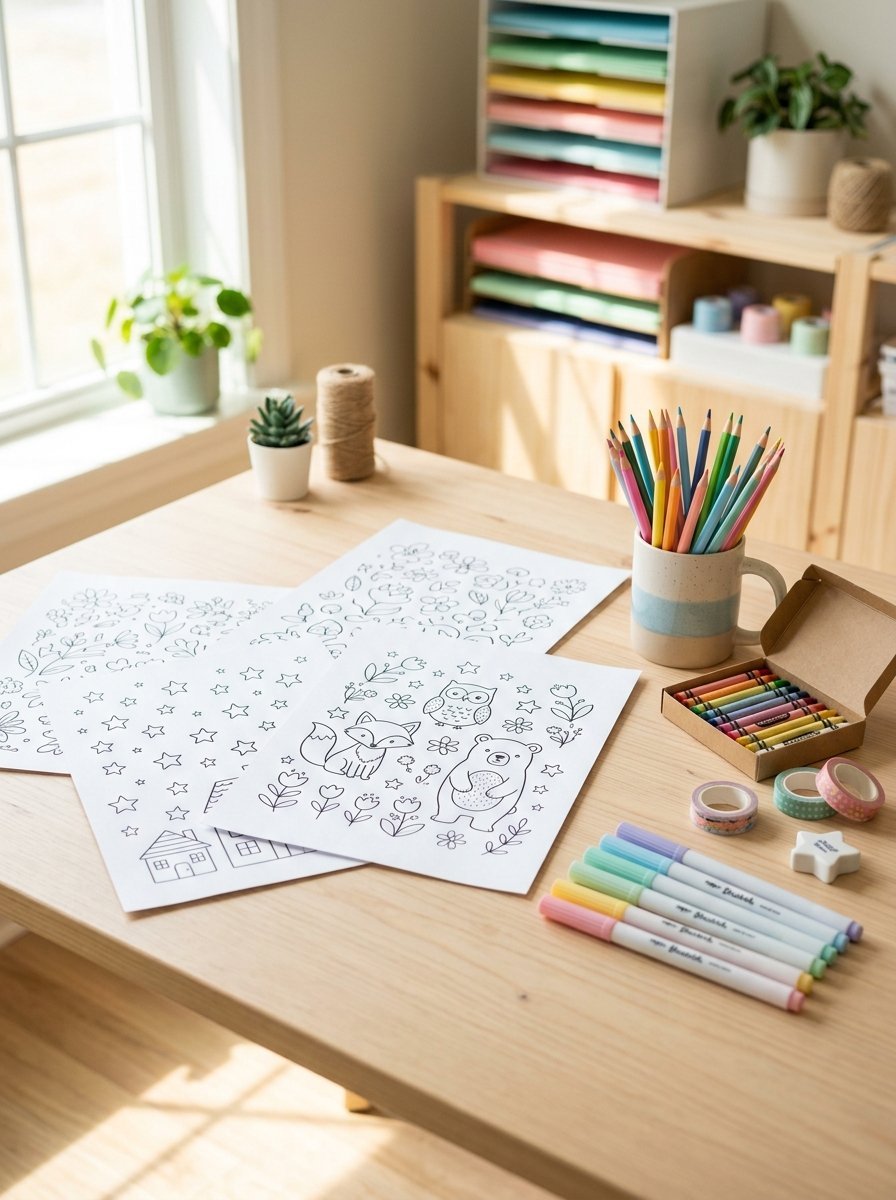
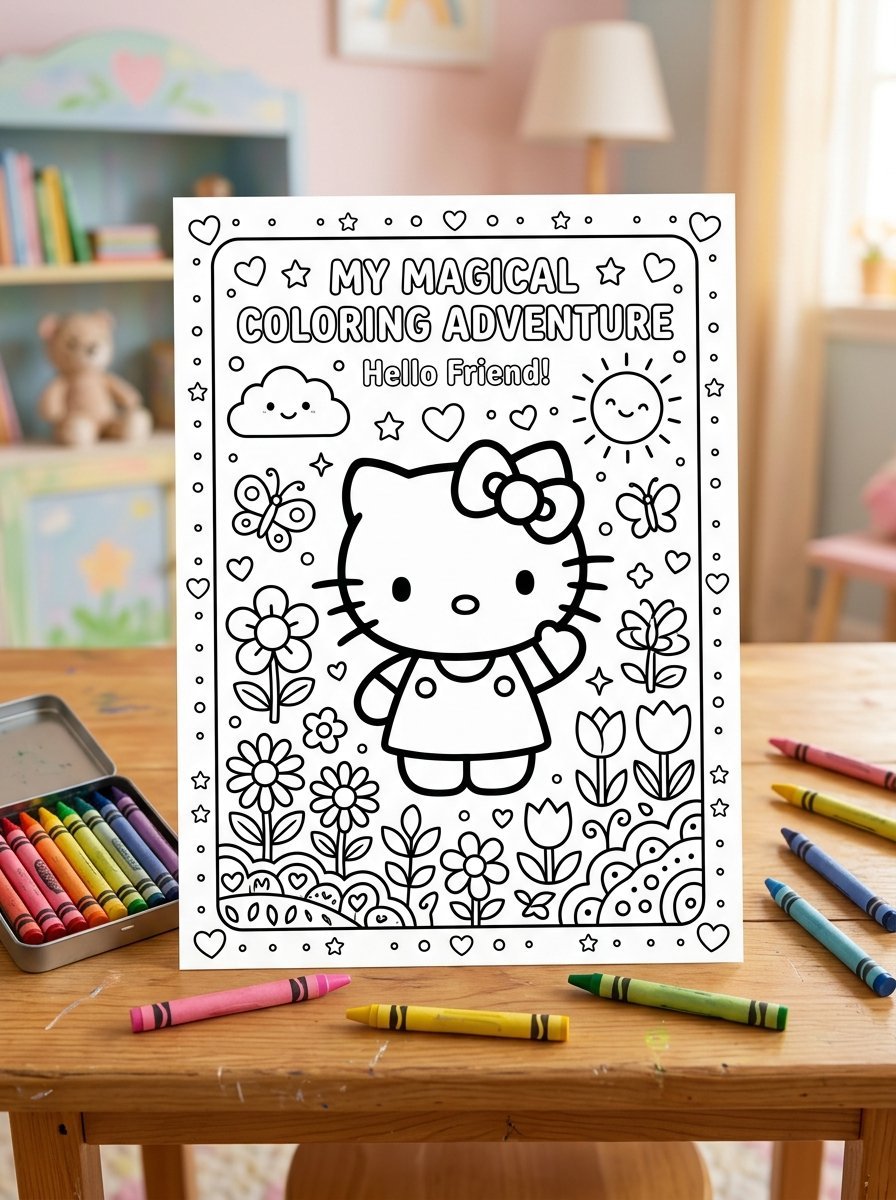


I still remember how quickly a quiet afternoon can change when a child finds a fresh sheet of paper and a box of bright colors. Suddenly, the table becomes a little art studio. One color turns into a flower, another becomes a funny animal, and before long the whole page has a story. That simple activity can work for toddlers, school age children, teens, and adults who enjoy a calm creative break. In this guide, I have collected ideas that cover cute, cozy, seasonal, printable, aesthetic, and playful themes. My tip is to keep a small folder of favorite designs so you always have an easy activity ready when the mood strikes.

1. Cute Coloring Pages for Kids
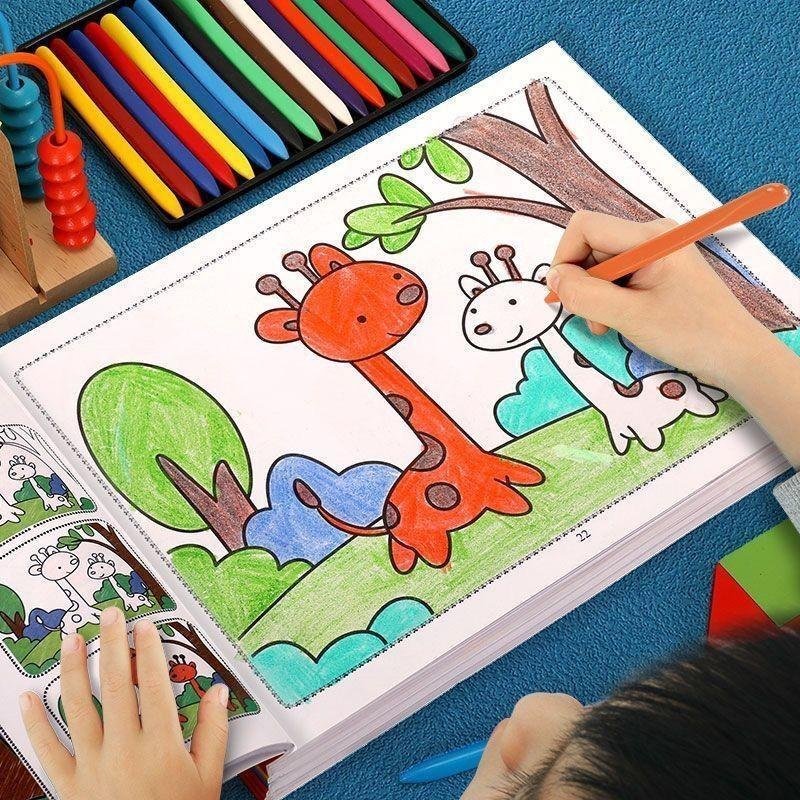
Cute designs make a great starting point because children can understand the pictures before they even choose their colors. A well chosen set of coloring pages can also give them several themes to explore without making the activity feel repetitive. Friendly animals, smiling clouds, simple flowers, stars, and little houses all give young artists plenty of room to make choices. Keep the outlines clear and the spaces large for younger children. Older kids can enjoy smaller details and more patterns. I like offering several pages at once rather than choosing one for them because the freedom to pick a favorite picture makes the activity feel more personal.
2. Easy Coloring Sheets for Beginners

Easy designs can help a child enjoy the activity without worrying about staying inside every line. Choose pages with large shapes and only a few small details. A simple animal, rainbow, flower, or house can keep a young child interested while giving them plenty of room to experiment. Do not correct every color choice. A purple sun or green dog can be part of the fun. If a child finishes quickly, offer another page with slightly smaller shapes instead of jumping straight to a complicated design.
3. Cozy Coloring Sheets for Quiet Afternoons

There is something relaxing about coloring a scene that already feels calm. Think of warm mugs, soft blankets, little reading corners, plants, pillows, books, and tiny houses. These designs work especially well when you want a slower afternoon activity. Use muted pencils or soft markers if you want the finished page to keep a gentle appearance. I suggest choosing a cozy theme during rainy weekends or school breaks when children want something creative but do not need another noisy activity.
4. Aesthetic Coloring Sheets for Older Kids

Older children often want designs that feel more detailed and personal. Aesthetic pages can include flowers, room decor, plants, fashion details, stars, candles, books, and repeating patterns. These designs give them more choices without feeling too childish. Try a limited color palette such as cream, sage, dusty pink, and soft blue. The finished page can look polished even with simple coloring tools. A useful tip is to let the child choose the palette first, then color the page around those selected shades.
5. Cute Animal Coloring Sheets

Animals give children an easy subject because they already know many of them. You can create a small collection with forest animals, pets, farm animals, or ocean creatures. Ask children to invent unusual colors if they want to. A pink fox or blue rabbit can make the page more imaginative. For younger kids, use large animal shapes with simple backgrounds. Older children may enjoy habitats, plants, clouds, and small decorative details around the main character.
6. Flower Coloring Sheets

Flowers work across many age groups because you can make the design as simple or detailed as you like. A large daisy suits a young child, while a page filled with petals and leaves gives older kids more room to explore shading. Try using two shades of the same color on larger petals to create depth. You can also turn the finished artwork into homemade cards or room decorations. I especially like flower pages for spring activities because they connect a simple craft project with the colors children see outdoors.
7. Princess and Fantasy Coloring Sheets

Princess themes remain popular because they give children a whole world to imagine. A castle, crown, magical garden, dress, or friendly fantasy creature can become the center of the page. Instead of copying a famous character, use original designs that let children create their own story. Ask them to choose the castle colors or invent a name for the kingdom. That small storytelling step turns a coloring activity into a creative writing game as well.
8. Summer Coloring Sheets

Summer gives you an easy theme because the season already has strong colors and familiar objects. Ice cream, sunshine, fruit, beach scenes, flowers, picnic baskets, and seashells all work well. Use bright yellows, turquoise, coral, pink, and green for a cheerful result. If children are bored during a long holiday afternoon, prepare a small summer coloring pack with several different scenes. Add a blank page at the end so they can draw their own summer picture after finishing the guided designs.
9. Halloween Coloring Sheets

Halloween designs can be spooky without becoming frightening. Friendly ghosts, smiling pumpkins, bats, moons, candy, cats, and decorated houses give children a playful version of the season. Younger kids may prefer simple outlines, while older children can handle haunted houses and detailed patterns. Keep the mood fun by mixing dark colors with orange, cream, purple, or bright yellow. A small Halloween coloring collection also works well for family gatherings or a quiet activity before a seasonal celebration.
10. Cozy Corner Coloring Sheets

A cozy corner theme turns an ordinary page into a tiny room that children can decorate with color. Include a reading chair, rug, lamp, plant, bookshelf, and a few favorite objects. Kids can decide whether the room feels bright, warm, colorful, or calm. This idea works particularly well for children who enjoy drawing rooms or rearranging furniture. You can even ask them to design their dream reading corner after they finish the printable page.
11. Simple Cartoon Coloring Sheets

Simple cartoon designs are useful when you want something familiar without overwhelming detail. Friendly animals, playful robots, vehicles, clouds, and funny objects can all become original cartoon scenes. Keep the outlines bold and the background open. That gives children space to experiment. I would also mix several subjects in one small collection because children often change interests quickly. One page might feature a robot while the next shows a smiling animal or a little house.
12. 2000s and Y2K Inspired Coloring Themes

The early 2000s offer plenty of fun visual ideas without copying a specific brand. Think shiny stars, butterflies, hearts, flip phone shapes, headphones, smiley faces, chunky flowers, and playful bubble lettering. Pink, silver, baby blue, purple, and bright yellow create a lively palette. These designs can appeal to older kids and teens who enjoy nostalgic aesthetics. Keep the line art clean so the final page does not become too crowded. The goal is a playful throwback feeling with plenty of room for personal color choices.
13. Anime Inspired Coloring Sheets

Anime inspired artwork can give older children and teens more detailed shapes to color. Large expressive eyes, distinctive hairstyles, fantasy clothing, dramatic skies, and decorative backgrounds all create interesting areas for shading. Use original characters rather than copying a protected character. A limited palette can make the artwork feel more polished. If someone wants to practice shading, start with hair and clothing because those areas offer clear sections for light and dark tones.
14. Printable Coloring Sheets for Home Activities

Printable designs make planning easier because you can prepare them whenever you need a quick activity. I like keeping a small folder of coloring pages ready for weekends, school breaks, and quiet afternoons. Print only what you need so your activity area stays tidy. Use ordinary printer paper for quick practice and thicker paper when children want to use markers. I also suggest checking the print settings before making a large batch because margins and page size can change how the design appears.
15. Coloring Sheets That Encourage Creative Learning

Coloring can also support simple learning activities when the page connects art with a topic a child already studies. Try letters with objects, numbers with groups of items, animals with habitats, or flowers with basic plant parts. Keep the learning goal small so the page still feels like a fun art activity. Ask questions while the child colors. For example, you can talk about the animal, count objects, or name colors. This creates a natural conversation without turning the activity into another worksheet.
16. Cozy Friends Coloring Collection

A collection of friendly original characters can make a set feel connected. Imagine a small bear reading a book, a rabbit watering plants, or a kitten enjoying a warm drink. Give each character a different activity so every page tells a small story. Use a repeating palette to make the whole collection look like one set. This works well when you want several pages for a weekend activity. Children can also invent names and personalities for each character after they finish coloring.
17. Cute Character Coloring Sheets

Original characters give children freedom to build their own little worlds. Create pages around imaginary pets, tiny forest creatures, friendly robots, or funny little monsters. Keep the shapes recognizable but leave enough open space for children to add their own details. One useful idea is to leave a small blank area where they can draw an object for the character. That turns a finished page into a collaborative piece of art instead of a simple coloring exercise.
18. Seasonal Coloring Page Collection

A seasonal collection keeps the activity fresh throughout the year. Spring can bring flowers and rainbows. Summer can focus on beaches and fruit. Autumn offers leaves, pumpkins, and cozy rooms, while winter can feature snow, stars, and warm indoor scenes. Store the pages in separate folders so you can find them quickly. I like preparing a few pages at the start of each season because it removes the last minute search for an activity and gives children something new to look forward to.
19. Digital Coloring and SVG Designs

Digital coloring can offer another way to enjoy the same creative idea. Clean line art can work on a tablet or as a printable design, depending on the file and software. SVG files can also help when you need scalable vector artwork for compatible creative projects. If you are preparing digital designs, keep the lines clear and avoid unnecessary tiny details. Test the file at different sizes before sharing or printing it. Always check the usage rights for artwork you download or modify.
20. Build Your Own Coloring Collection

Once you discover the themes a child enjoys most, create a personal collection around them. Mix animals, flowers, cozy rooms, fantasy scenes, seasonal designs, and simple patterns. Keep a few easy pages for quick activities and some detailed pages for longer creative sessions. You can organize the collection by age, difficulty, or theme. My favorite approach is to let children help choose the next category. When they have a voice in the collection, they often feel more excited to return to it.
Final Thoughts
The best coloring activity does not need complicated supplies or a perfect result. Keep a few favorite coloring pages nearby so the next creative session can begin without much preparation. A few printed sheets, comfortable colors, and a little time can create a calm creative moment for the whole family. Start with easy designs, then move toward cozy scenes, flowers, fantasy, seasonal themes, or detailed patterns as interests change. Keep the activity flexible and let children make their own choices. That freedom is often what turns a simple sheet of paper into an afternoon they remember.


3 Pingbacks