

A rabbit looks simple at first. Two long ears, a round face, a fluffy body, and a tiny tail. But once you start sketching, you discover many ways to turn that basic shape into something personal. A child may want a cute cartoon bunny. A beginner may prefer an easy step-by-step sketch. Someone who enjoys digital art might choose a chibi character, while another artist may want a detailed realistic rabbit. The best part is that you do not need advanced art skills. Start with simple shapes, observe a good reference, and slowly add details. The Smithsonian collections show rabbit studies created with pencil, graphite, ink, crayon, and other artistic approaches, proving that one subject can inspire very different drawing styles.
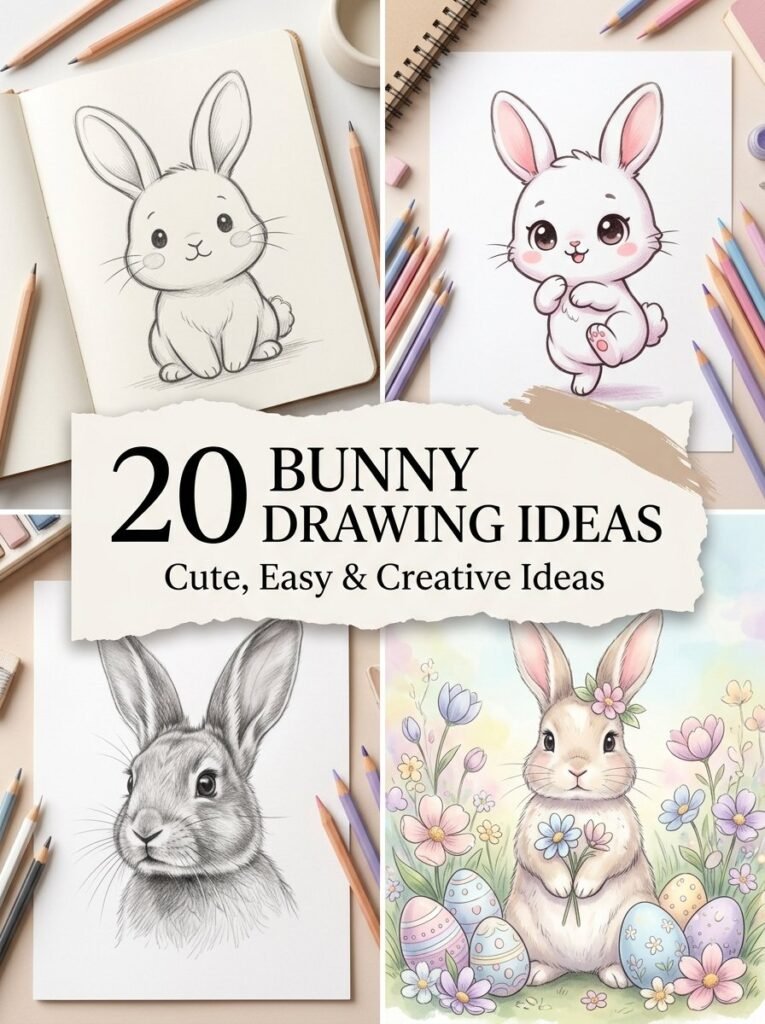
20 Bunny Drawing Ideas for Every Skill Level
These ideas move from very simple sketches to more creative character concepts. You can follow them in order or jump straight to the style you like most.
1. Simple Round-Face Bunny

Start with a large round head, two tall ears, tiny dot eyes, a small triangular nose, and soft cheeks. Keep the body small and rounded underneath the head. This makes a bunny drawing easy enough for young children and beginners. Use a pencil first. Once you like the shape, trace the final lines with a darker pencil or fine marker.
2. Cute Easter Bunny
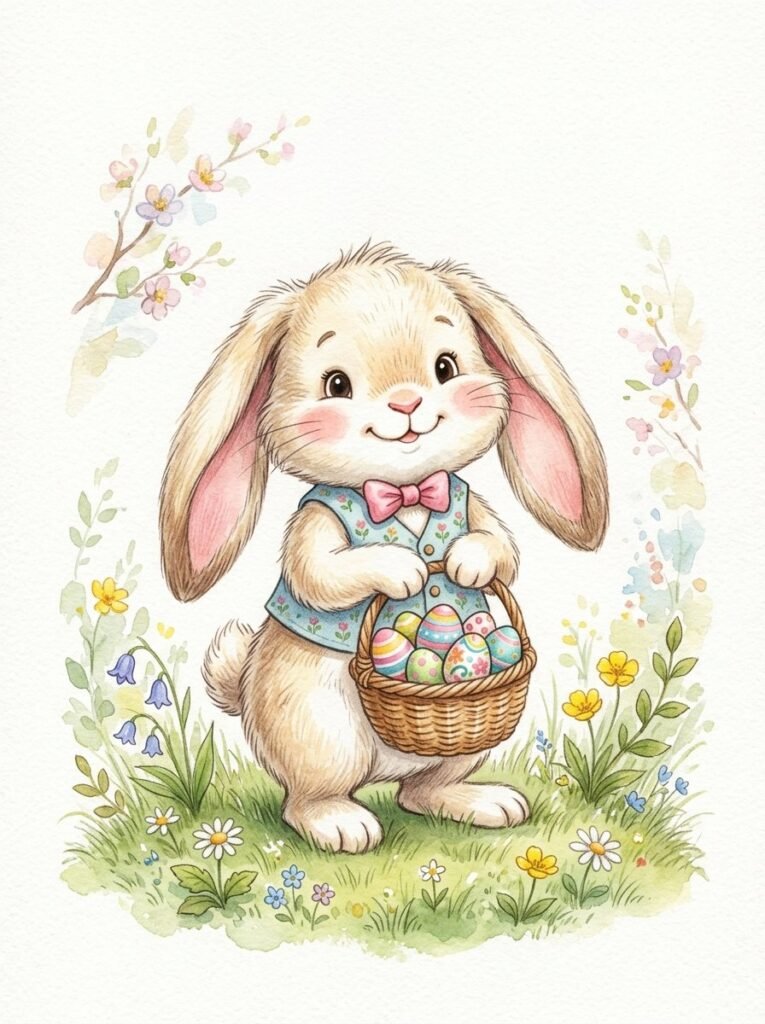
Turn the rabbit into an Easter character by adding decorated eggs, small flowers, and a simple basket. Keep the face soft and friendly. Pastel blue, pink, yellow, and lavender work beautifully for this idea. This design also works well for greeting cards, children’s worksheets, seasonal wall art, and printable craft projects.
3. Sleeping Bunny

A sleeping rabbit creates a peaceful scene. Draw the body curled into a soft oval, tuck the head toward the front paws, and add closed eyes with two simple curved lines. A tiny cloud, moon, or blanket can make the scene even sweeter. This style works especially well for nursery art.
4. Silly Cartoon Bunny
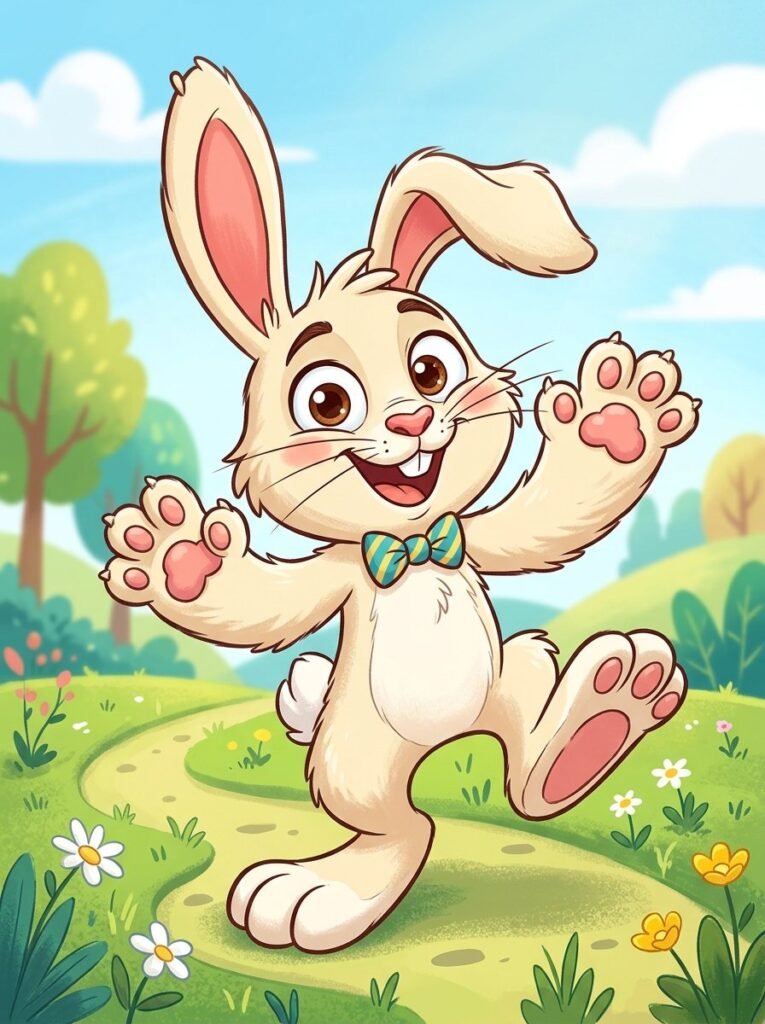
Want something less serious? Give your rabbit oversized eyes, uneven ears, raised eyebrows, and a funny open-mouth expression. You can exaggerate the paws and feet too. A silly character does not need perfect proportions. In fact, unusual proportions make the drawing more expressive and memorable.
5. White Bunny With Pink Ears

For a soft and elegant style, draw a white rabbit with subtle pink inside the ears and nose. Use gentle gray shading around the cheeks, neck, paws, and underside of the body. Keep the background simple. A pale beige or warm cream background will make the character stand out.
6. Realistic Rabbit Portrait

Move beyond cartoons by studying the actual structure of a rabbit. Pay attention to the shape of the skull, the placement of the eyes, the length of the ears, and the way the fur follows the body. A good realistic study works best when you use a clear animal photo as your visual guide. The Smithsonian holds historical rabbit studies made in graphite and pencil, which can be useful inspiration for observing how artists approach the animal as a study rather than simply a character.
7. Chibi Bunny Character
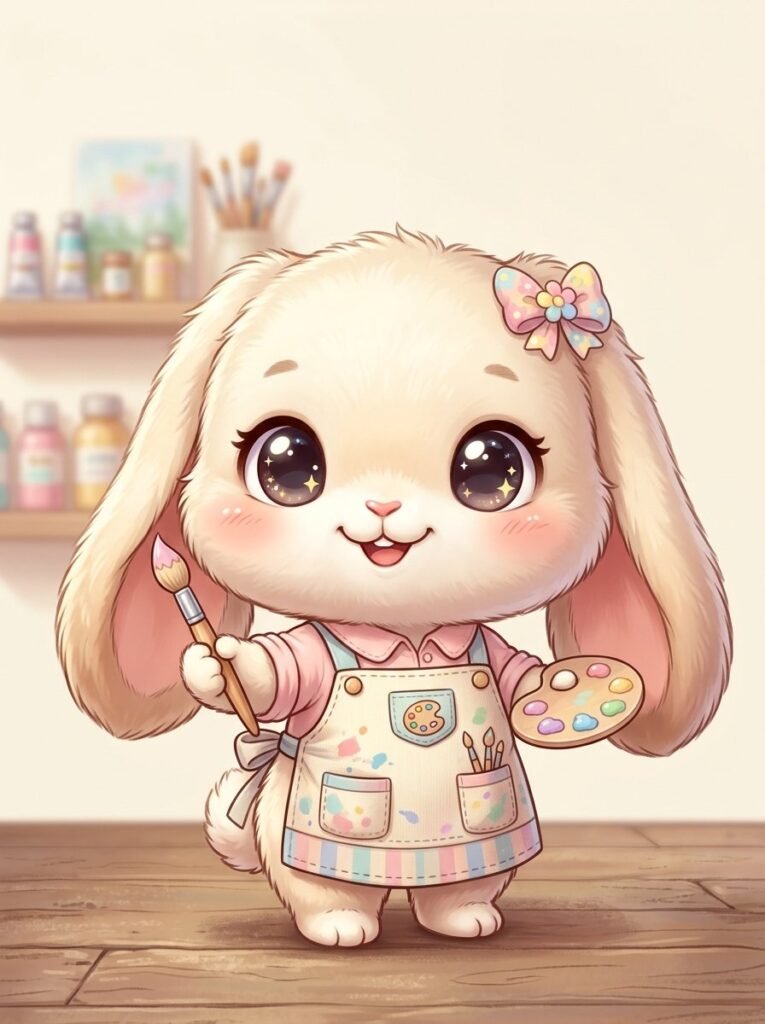
Chibi art gives you plenty of freedom. Make the head much larger than the body, keep the arms and legs tiny, and use large expressive eyes. You can turn the character into a little explorer, baker, gardener, or artist. A simple chibi design can quickly become a complete character concept.
8. Bunny Drawing With Flowers
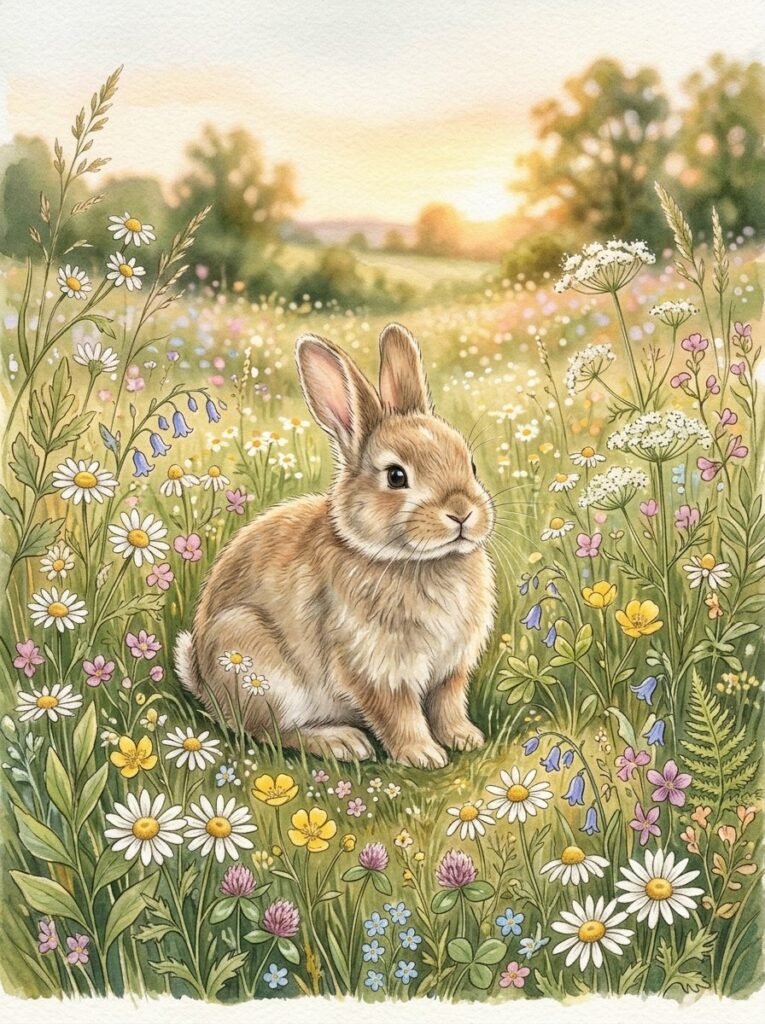
Combine a rabbit with a garden scene. Place small daisies around the feet, add wildflowers near the ears, and let a few leaves overlap the body. This approach works well for aesthetic wall art because the flowers add color without taking attention away from the animal.
9. Bunny and Cat Together
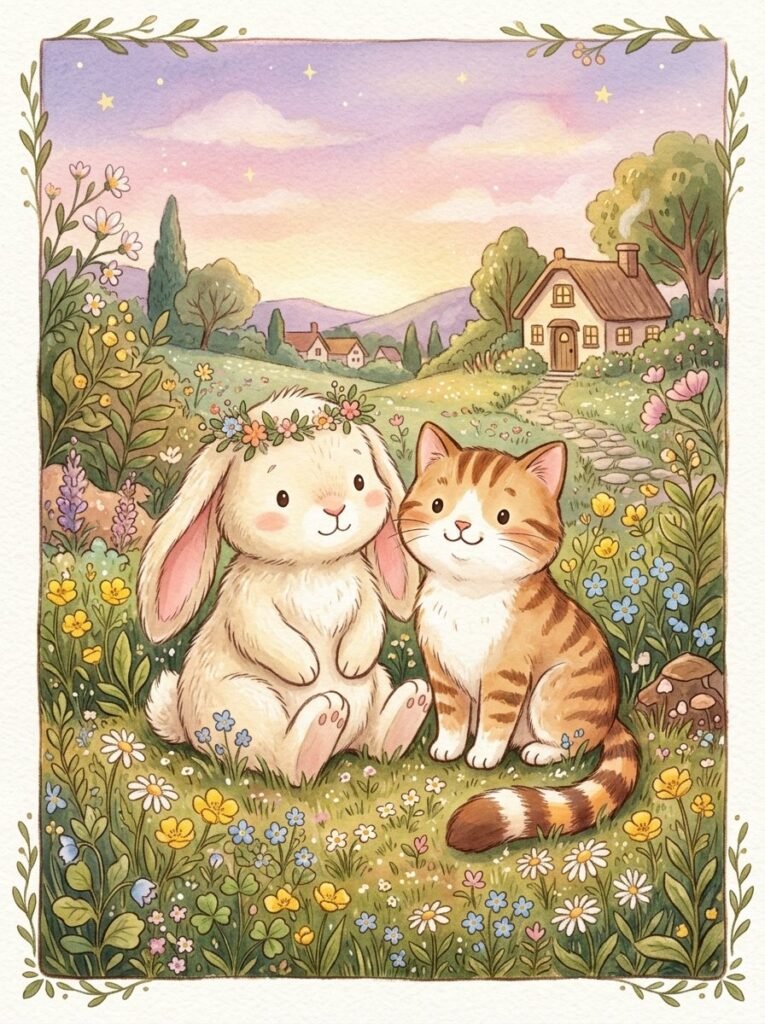
Animal combinations can make a drawing feel more playful. Create a small rabbit sitting beside a friendly cat. Give each animal a different pose so they do not look like copies of each other. A cat and bunny scene can work especially well for friendship-themed artwork, children’s cards, or a simple bedroom print.
10. Bunny in a Honey Garden

Give your rabbit a tiny garden adventure. Add yellow flowers, small bees, leaves, and a little wooden sign without text. The warm yellow-and-green palette creates a cheerful honey garden feeling. You can also add a tiny jar beside the character.
11. Sleeping Bunny in a Blanket
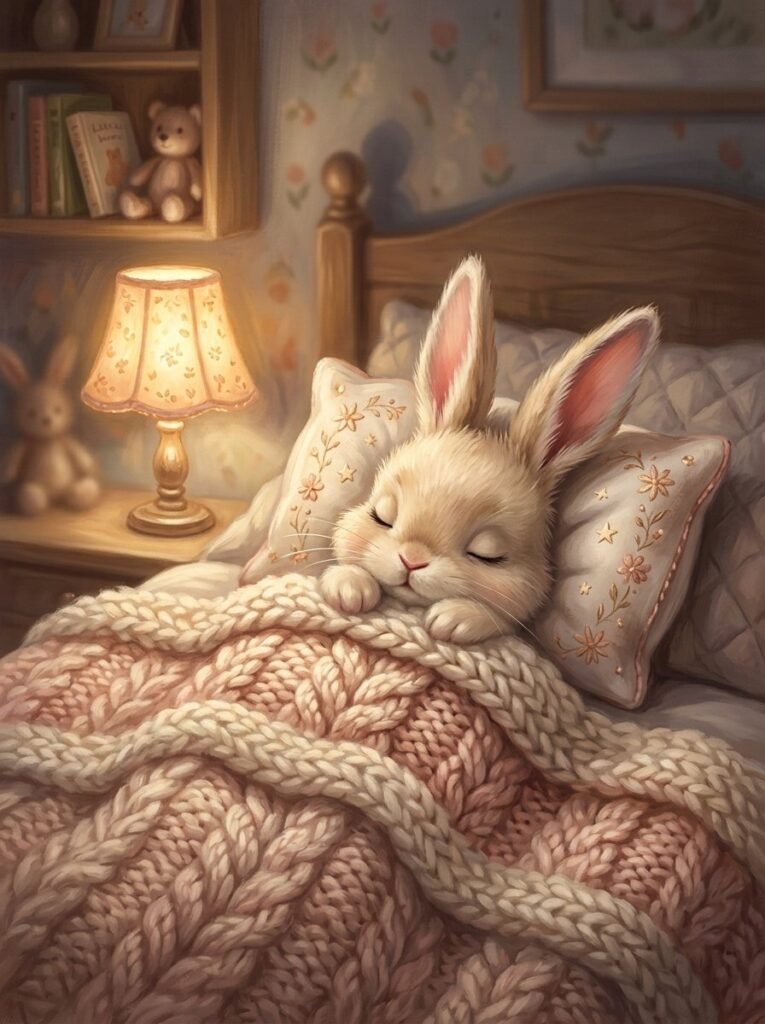
For an extra cozy concept, wrap the rabbit in a small blanket so only the head, ears, and paws appear. Use soft folds to show the blanket’s texture. This idea is excellent for bedtime artwork and can also become a stuffed animal-inspired character design.
12. Bunny With Butterflies and Bugs
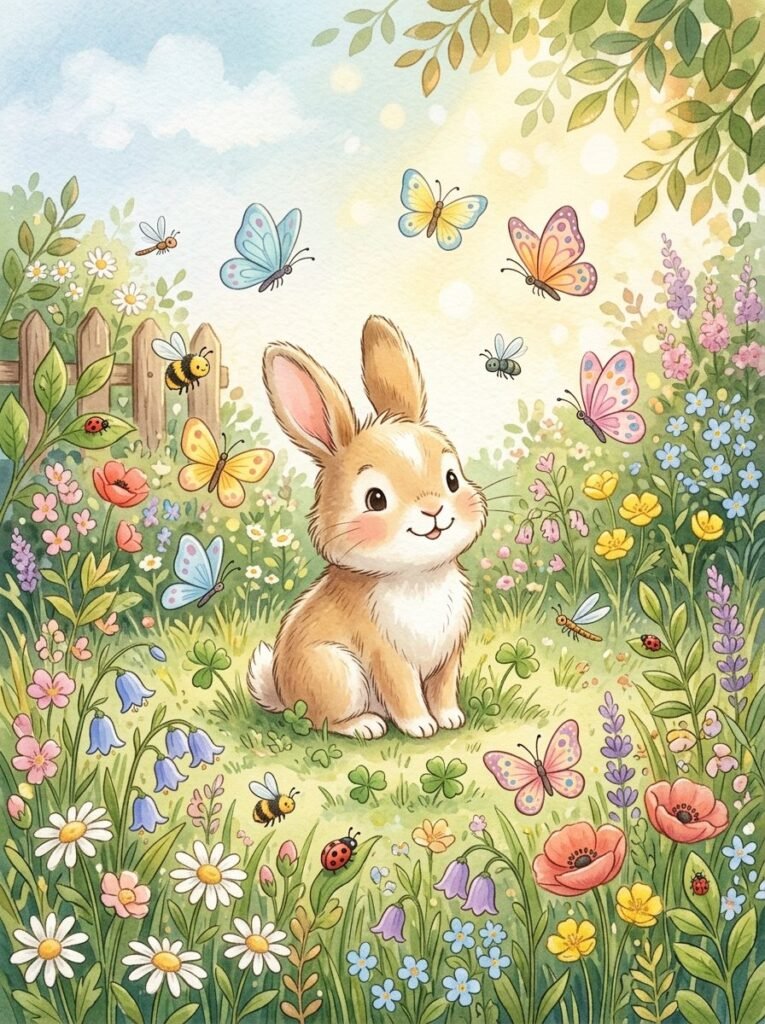
Add movement by placing small butterflies and harmless garden bugs around the rabbit. Vary their sizes so the scene feels natural. Keep the bunny simple while giving the insects slightly more detail. This creates a fun contrast between the main character and its surroundings.
13. Bunny by the Sea
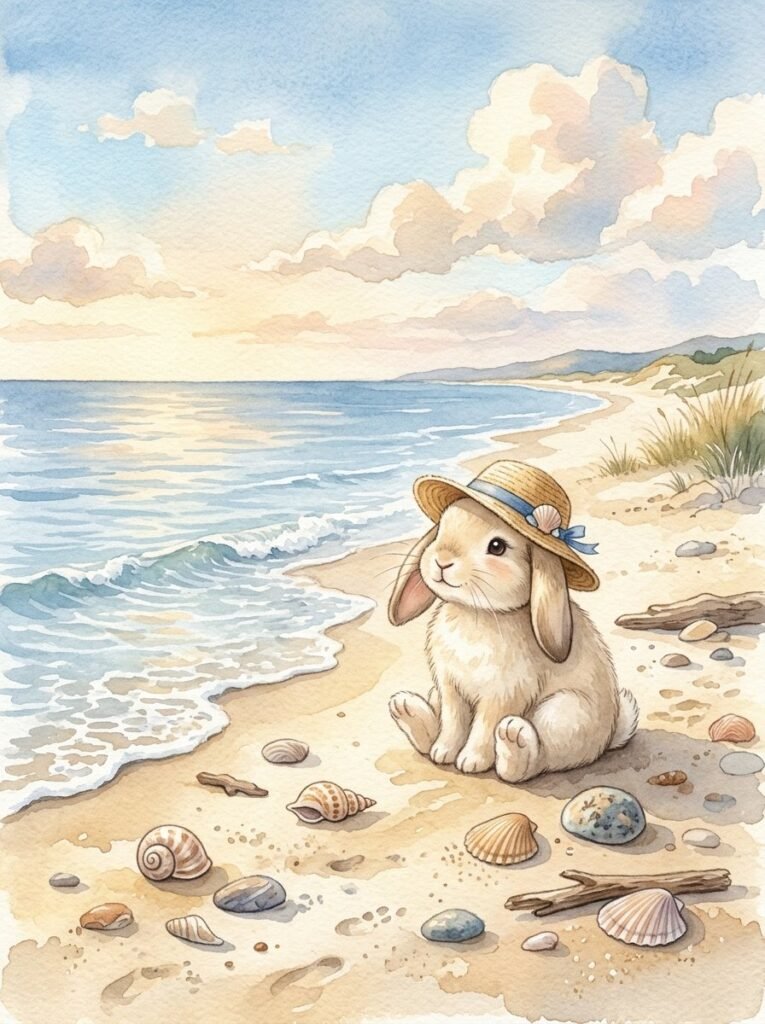
Who says rabbits always need to live in gardens? Place one beside the sea with a tiny beach hat, seashells, sand, and gentle waves in the background. Use blue, cream, and sandy beige to create a calm summer palette.
14. Pink Bunny With a Bow
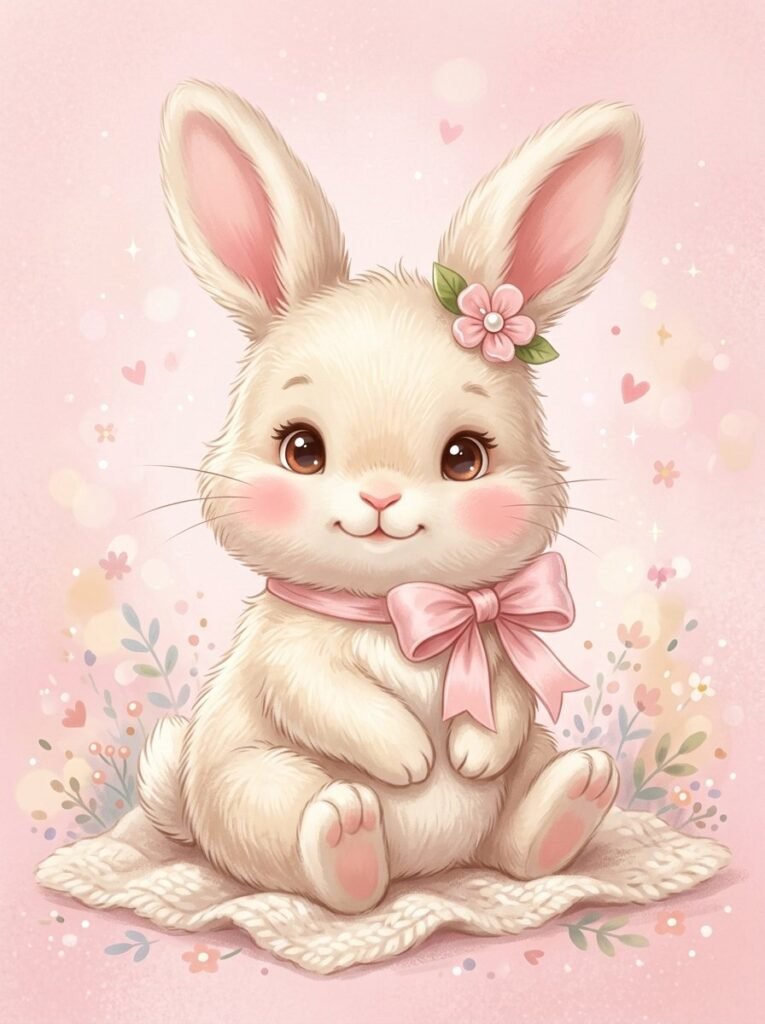
For a sweet character design, use soft pink accents on the ears, cheeks, clothing, or bow. Keep the main fur white or cream so the pink details stay balanced. This idea works beautifully for stationery, nursery prints, stickers, and cute digital artwork.
15. Bunny in a Forest

Create a more adventurous scene by placing the rabbit between tall grass, mushrooms, leaves, and tree roots. Use overlapping elements to create depth. A forest setting also gives you a chance to practice shadows and natural textures instead of focusing only on the character.
16. Bunny Drawing From a Side Profile
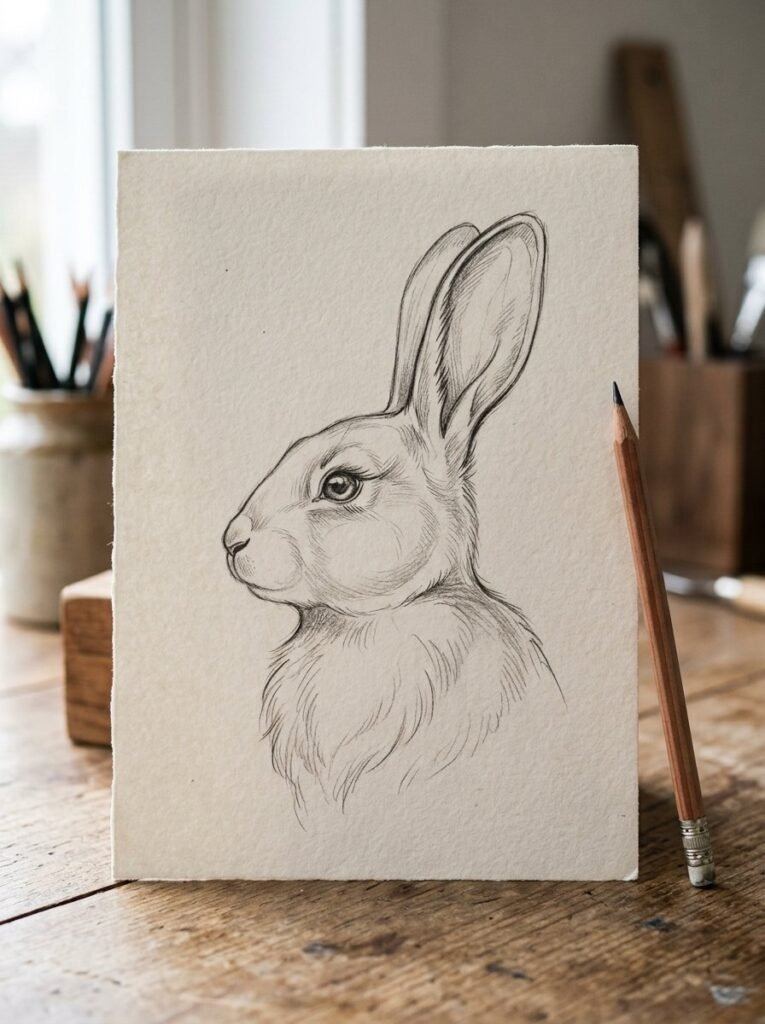
A side profile gives the animal a completely different appearance. Focus on the forehead, nose, cheek, long ear, and rounded neck. Keep the outline clean and avoid adding too many details. This style is perfect for practicing observation and animal proportions.
17. Bunny With a Flower Crown

Turn the rabbit into a gentle woodland character by adding a small flower crown. Use daisies, tiny roses, lavender, or simple wildflowers. Keep the crown slightly uneven. That small detail can make the artwork feel handmade instead of overly perfect.
18. Cute Bunny Plush Character
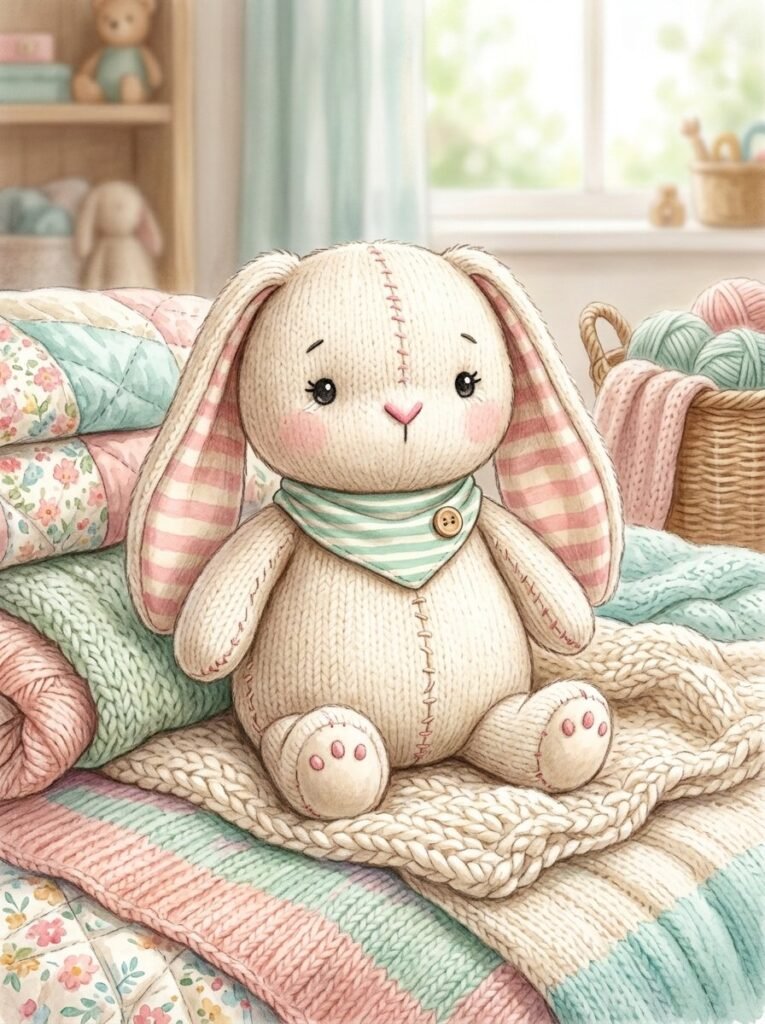
Take inspiration from the rounded shape of a soft toy without copying a specific branded character. Make the ears floppy, the body round, and the paws short. This creates a stuffed animal feeling that works especially well for children’s illustrations and character design.
19. Funny Bunny With a Carrot

Give your character a little story. Draw the rabbit holding an oversized carrot with both paws. You can make the carrot almost as large as the bunny for a humorous effect. This simple idea can become a silly food-themed illustration without requiring a complicated background.
20. Bunny Under the Moon
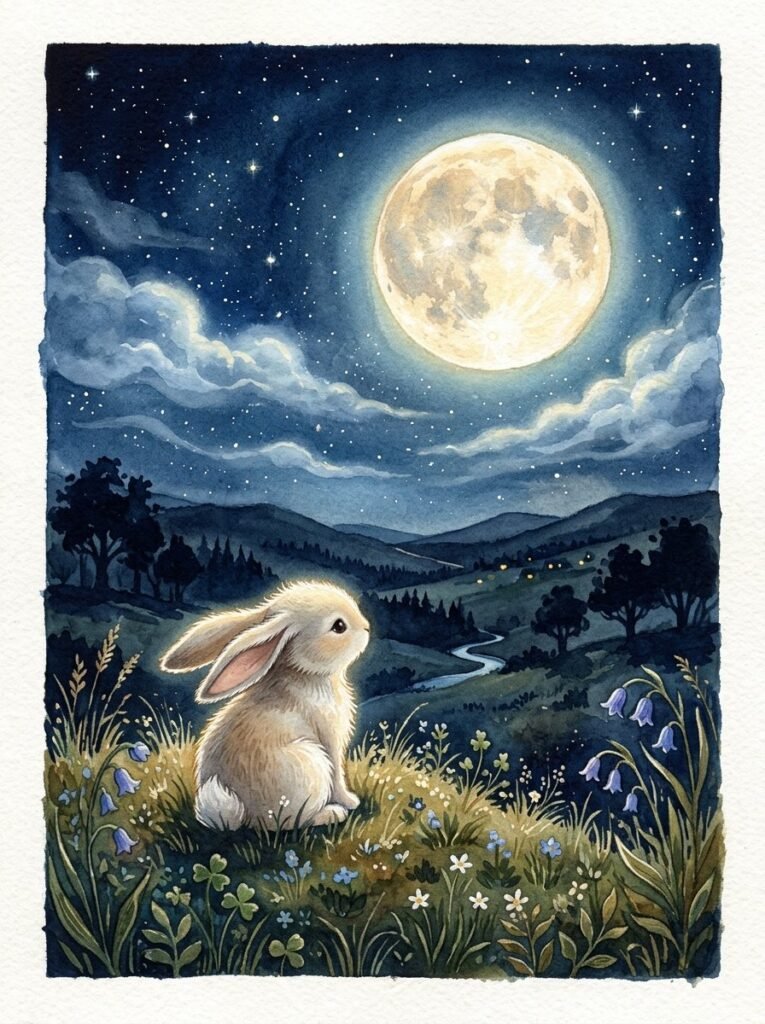
Finish with a more artistic concept. Place a rabbit sitting quietly under a large moon with stars above it. Use a dark blue background and a soft glow around the character. The Smithsonian collection includes historical rabbit artwork connected with moon imagery, showing how artists have paired the animal with night scenes and symbolic settings.
Final Thoughts

The best bunny drawing does not have to look complicated. A simple circle, two ears, and a few careful lines can become a memorable character when you give it personality. Try the easy ideas first. Then experiment with Easter scenes, flowers, forests, plush-inspired characters, sea settings, and moonlit compositions. You can also mix ideas together. For example, combine a chibi bunny with a flower crown or place a sleepy rabbit inside a cozy blanket. Most importantly, keep practicing. Every new sketch teaches you something about shape, proportion, expression, and style. Over time, your lines will become more confident, and your own bunny style will naturally begin to appear.


1 Pingback