A great photo often starts before the camera clicks. The model shifts one foot, relaxes one shoulder, turns the face slightly, and suddenly the whole image feels different. That small change is the power of model poses. They help show clothing, create movement, shape a portrait, and give artists useful references for drawing the human figure. The best pose does not need to look complicated. It needs to feel natural and match the story of the image. Whether you are planning a fashion shoot, practicing figure drawing, or looking for ideas for your next photo, the right starting point can make everything easier.
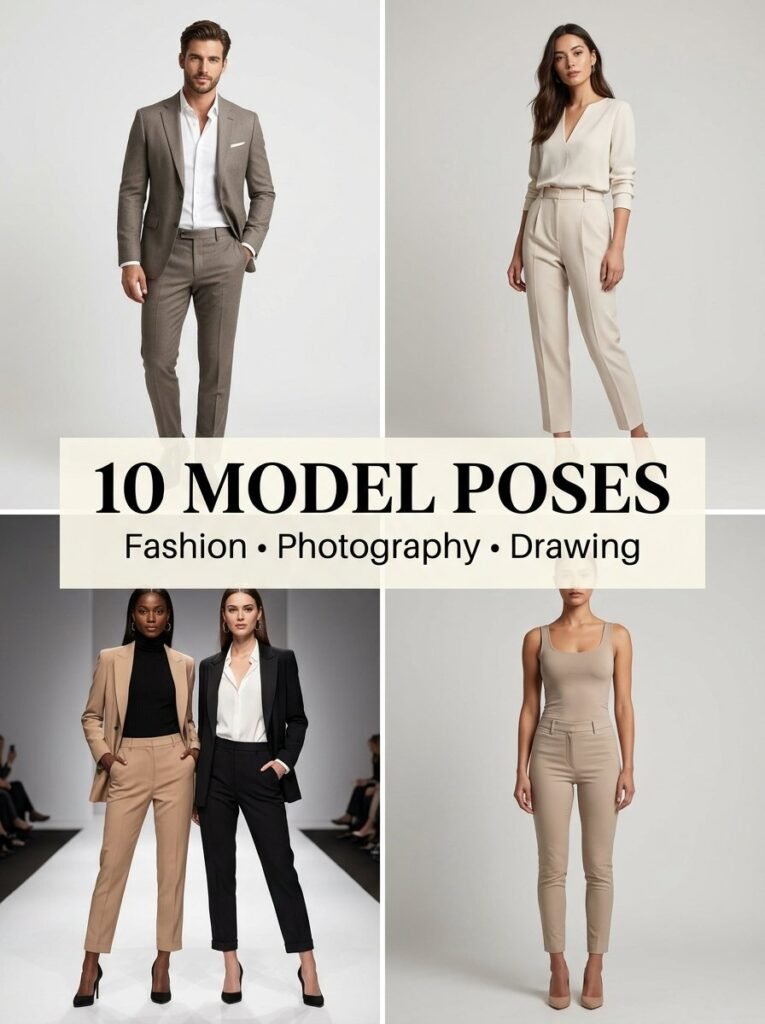
Why Model Poses Matter in Photography

A pose changes the lines of the body and tells the viewer where to look. A straight standing position can feel clean and powerful, while a slight turn can create more depth. Hand placement can add emotion, and a small change in the face can completely change the mood. Adobe recommends planning poses, helping the subject relax, and adjusting positions based on what works during the shoot. It also notes that natural movement often creates better results than forcing the body into an uncomfortable position.
1. Classic Standing Pose
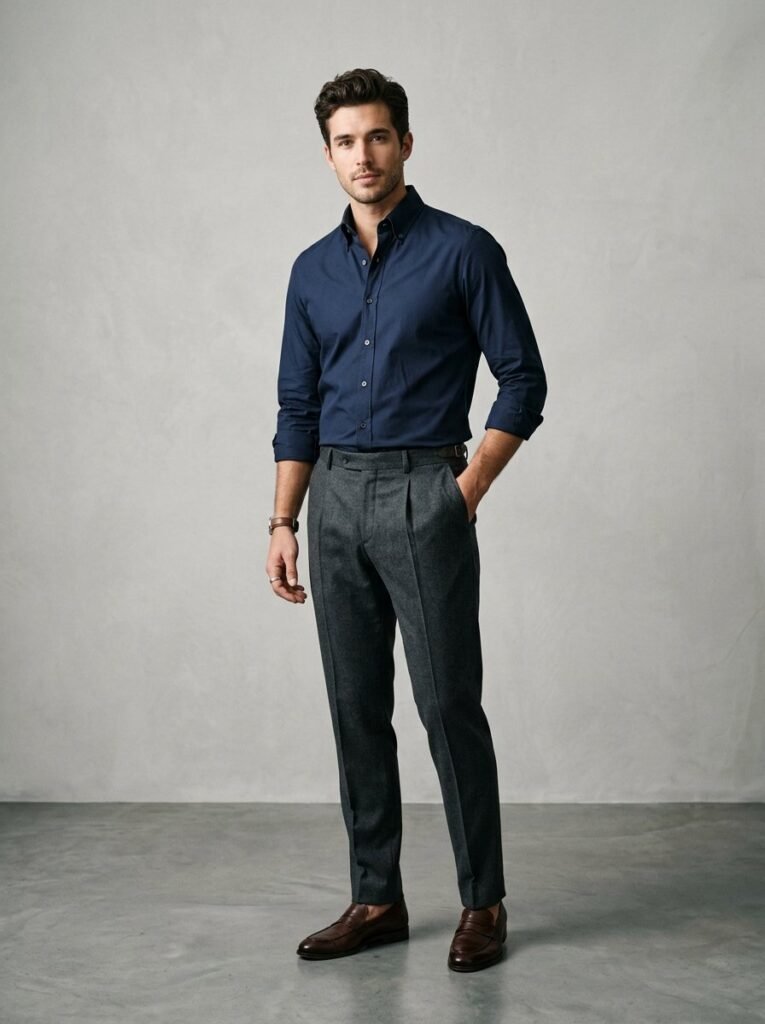
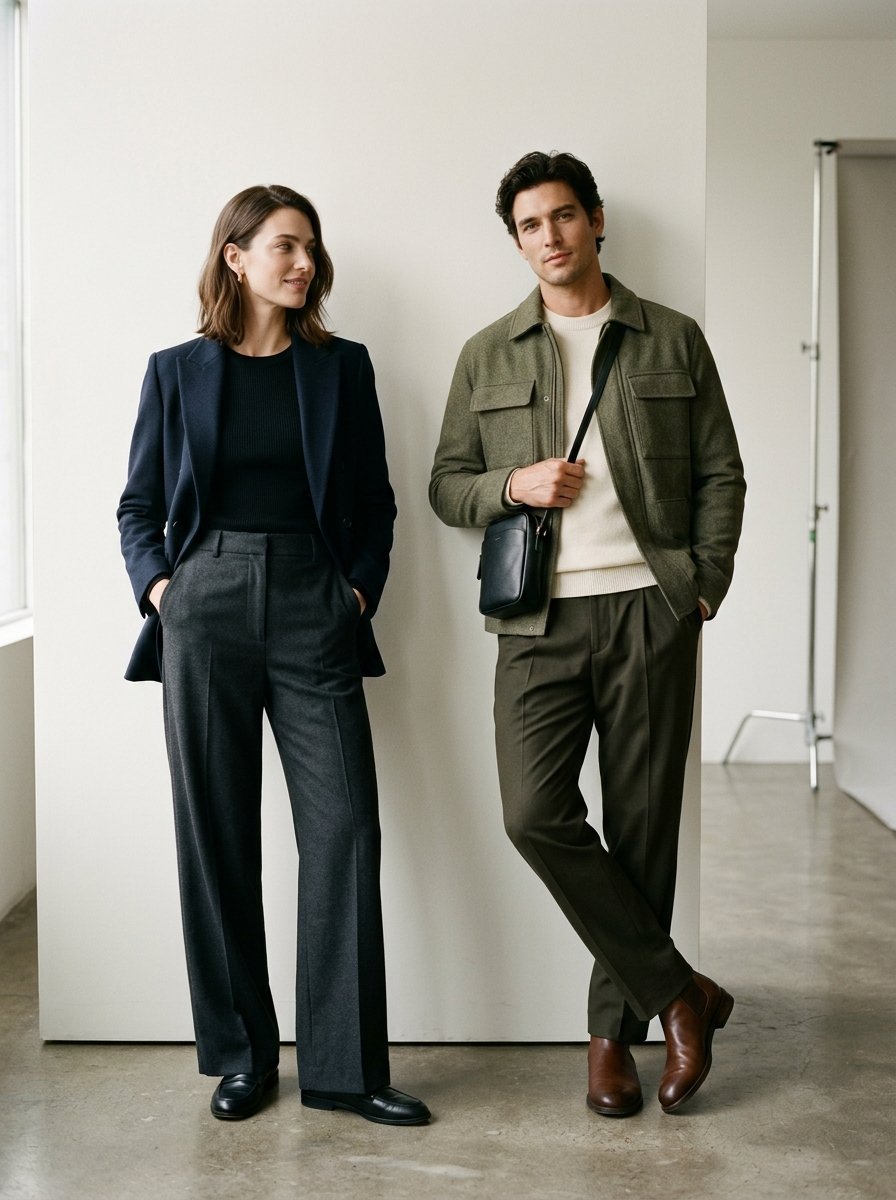
The classic standing pose is the easiest place to begin. Ask the model to stand tall, place one foot slightly forward, relax the shoulders, and turn the body a little away from the camera. This creates a natural three-quarter angle rather than a flat front-facing image. Let the arms fall naturally or place one hand lightly near the pocket. This simple setup works for both male and female models and suits fashion, portraits, and outfit photography. Vogue has also highlighted the three-quarter position as a useful way to create a more flattering body line.
2. Male Fashion Pose With a Strong Silhouette
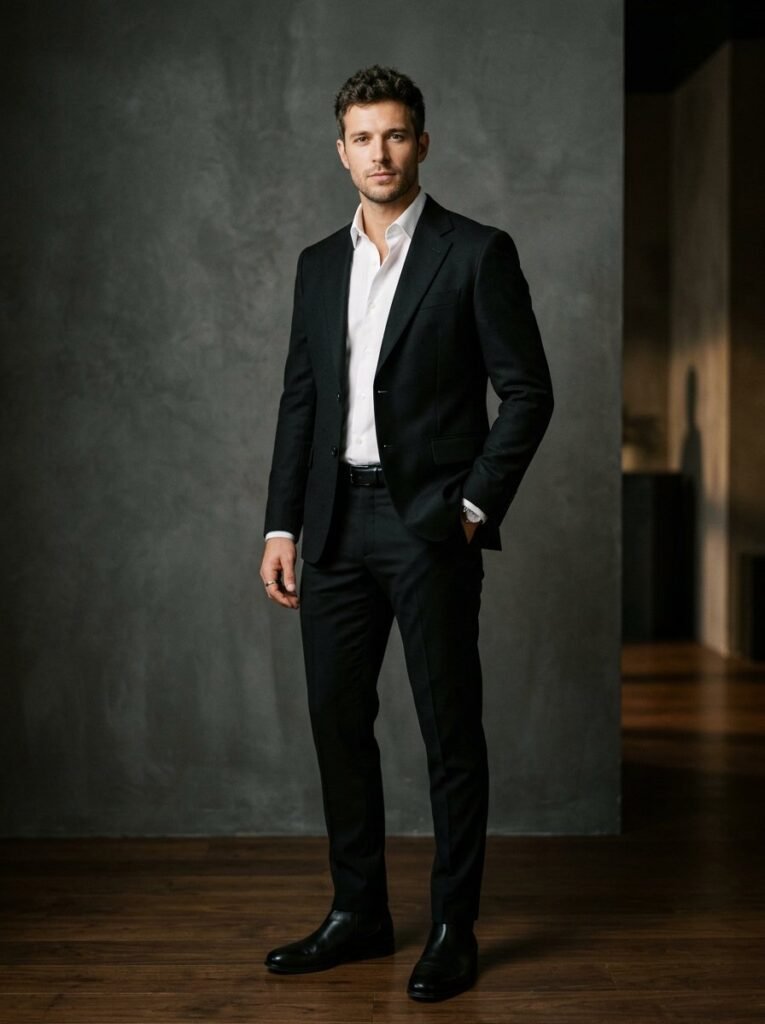
Male fashion photography often benefits from simple shapes and confident posture. Try a relaxed stance with the legs slightly apart, one shoulder closer to the camera, and one hand inside a jacket or trouser pocket. A structured shirt, blazer, denim jacket, or long coat can make the body lines even stronger. Avoid forcing a serious face. A calm expression often looks more natural. You can also create several variations by changing only the head direction or hand position while keeping the main body shape the same.
3. Female Fashion Pose With Movement
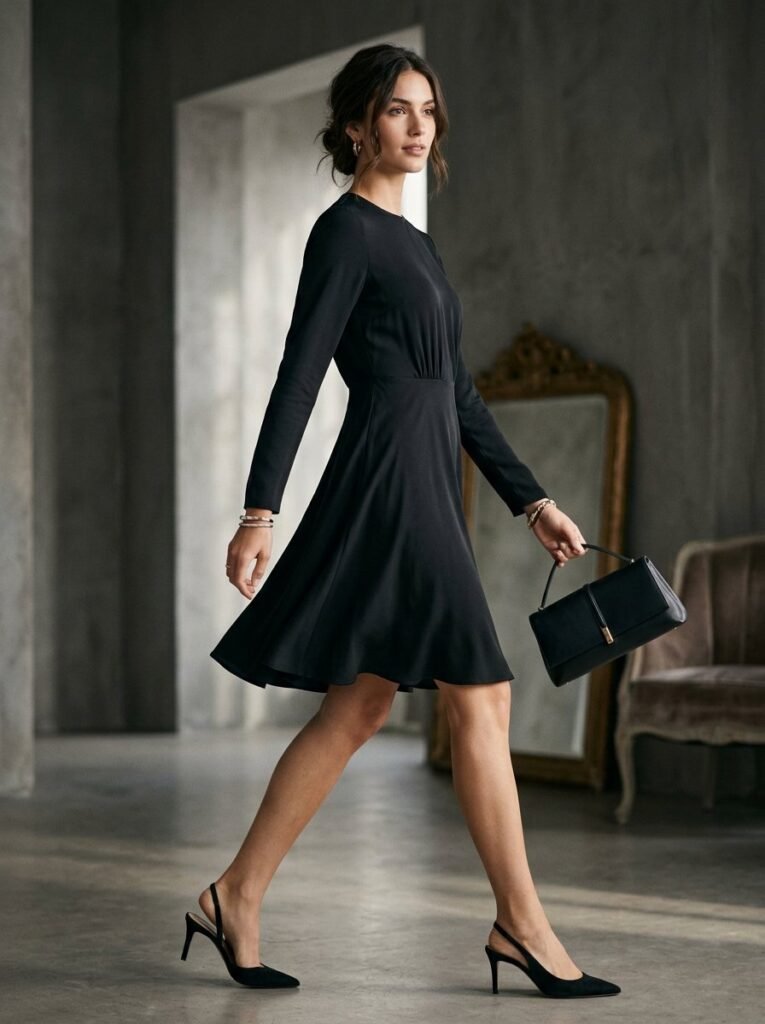
A strong female fashion pose does not always require standing still. Let the model take a slow step, turn the shoulders, adjust a sleeve, or allow a dress to move naturally. Movement gives the image energy and helps show how the clothing behaves. For dresses short in length, keep the framing tasteful and focus on the garment, posture, and overall styling. A slight head turn or lifted chin can also change the feeling without making the pose look forced. The goal is controlled movement that still feels spontaneous.
4. Hand and Face Pose
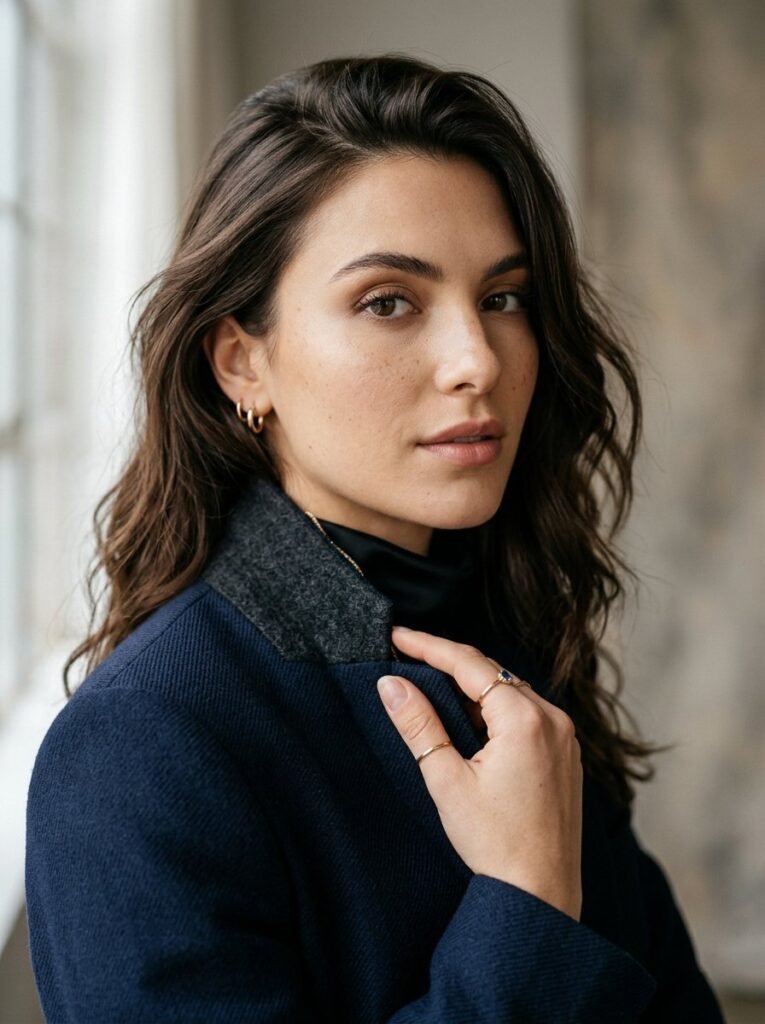
The hands and face can make or break a portrait. Many people become stiff when they do not know where to place their hands, so give them a simple action. Let the model touch a jacket collar, rest a hand near the chin, hold a bag, or lightly adjust jewelry. Keep the fingers relaxed instead of tightly spread. For the face, small changes matter. Turn the chin slightly, look away from the camera, then return to direct eye contact. Adobe recommends planning hand positions and keeping the subject relaxed because forced hand movements can quickly make a photograph feel awkward.
5. Duo Pose for Two Models

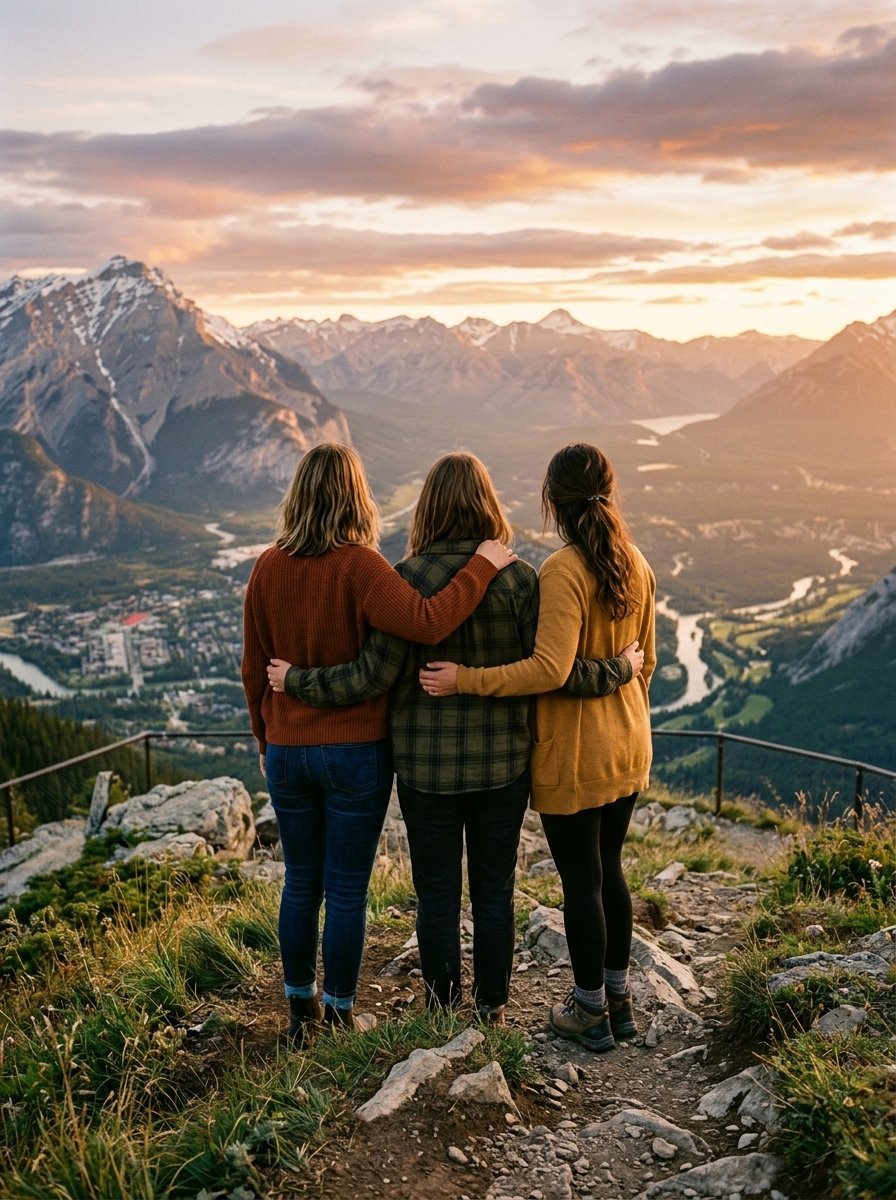
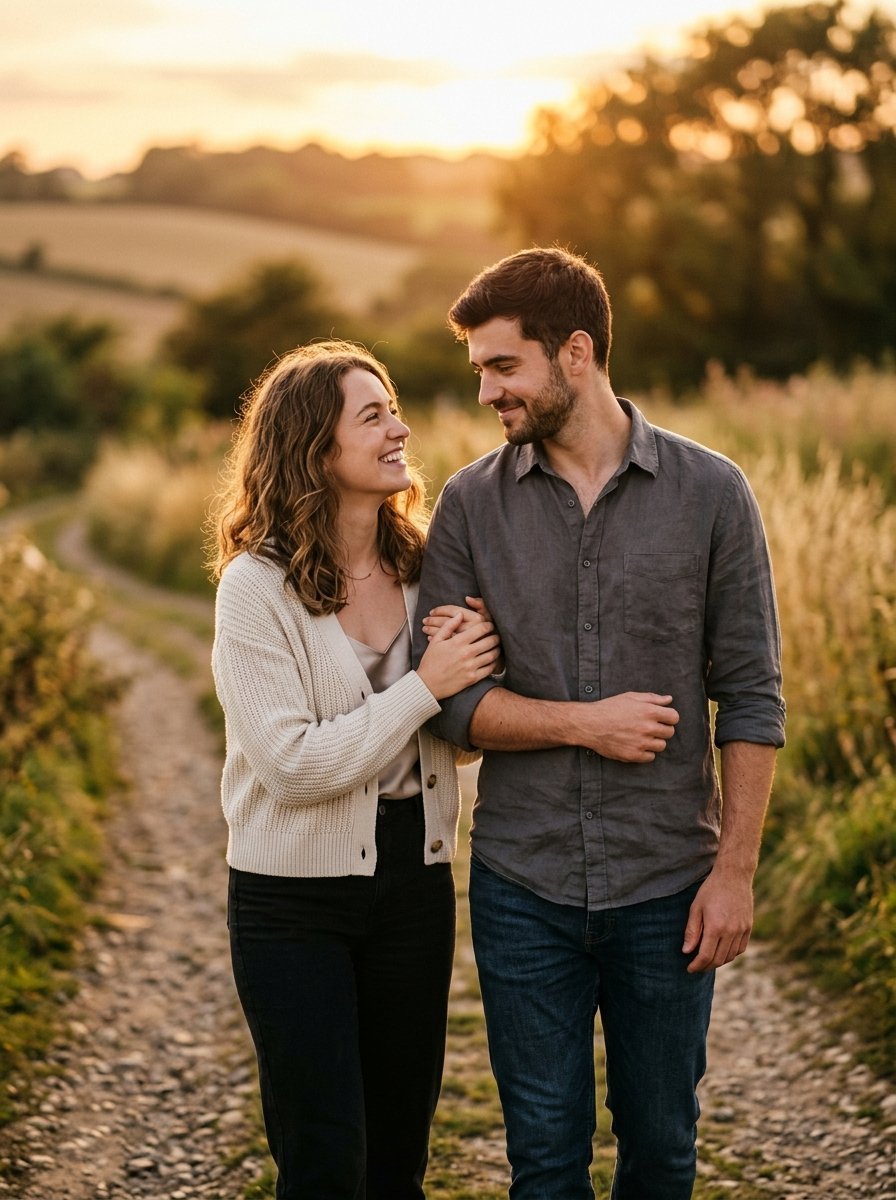
Two models create another challenge because their positions must work together. Start by giving each person a clear role. One can stand slightly forward while the other turns toward them. Then try equal spacing, mirrored body lines, or one seated and one standing. Keep their faces at slightly different angles so the photograph does not feel stiff. If they wear contrasting outfits, use the pose to create visual balance. This approach works for fashion campaigns, friendship portraits, couples, and creative editorial shoots.
6. Car Fashion Pose

A car can become part of the story rather than just a background object. Have the model lean lightly against the vehicle, stand beside an open door, sit naturally inside the car, or walk toward it. Match the clothing to the setting. A leather jacket and boots can create an urban mood, while a clean shirt and trousers can create a luxury travel feeling. Keep the body relaxed and avoid leaning too heavily on the vehicle. The car should support the composition without stealing attention from the model.
7. Fitness and Athletic Pose
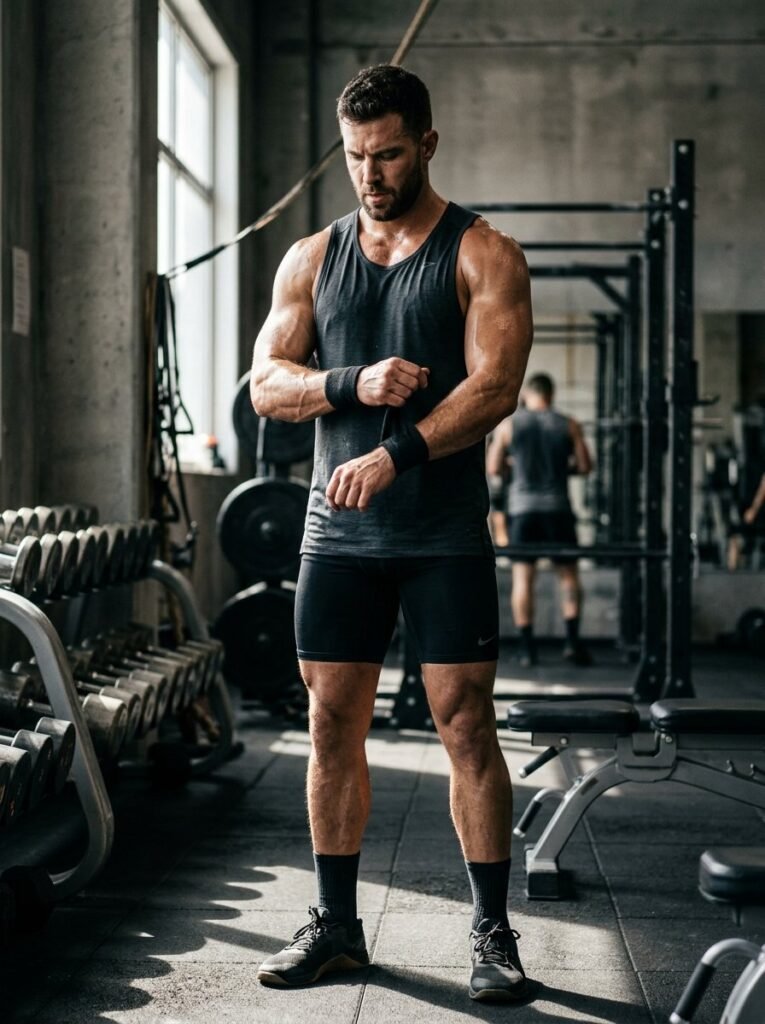
Fitness photography needs a different type of body language. Instead of focusing only on muscle definition, use movement to show energy and strength. A model can stand after a workout, adjust athletic gloves, stretch an arm, hold a water bottle, or prepare for an exercise. Keep the posture strong but natural. A slight body turn can show more shape than facing the camera directly. Good lighting also matters because it creates depth across the body. Keep the setting simple so the athlete remains the main subject.
8. Runway-Inspired Fashion Pose
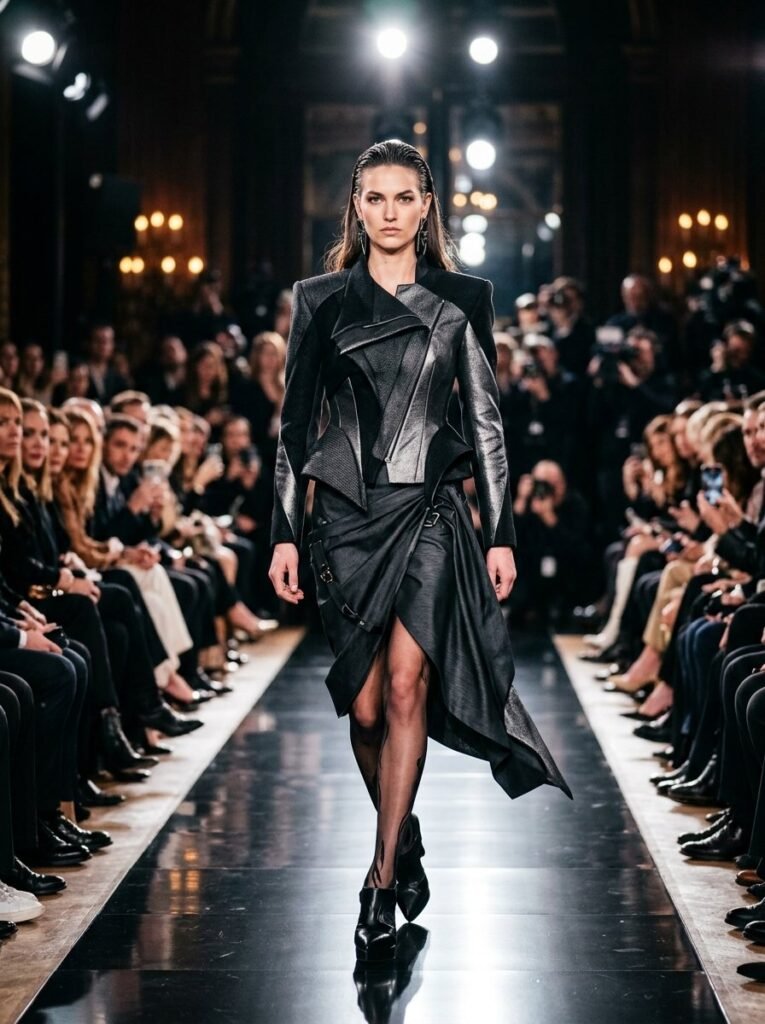
Runway posing is about attitude, balance, and movement. The model needs to show the clothing while moving with purpose. Keep the face controlled, shoulders relaxed, and steps measured. The arms should move naturally rather than swinging too much. Vogue’s runway guidance has highlighted keeping the face steady, shoulders back, and taking deliberate steps as key elements of a strong walk. For a still photograph, capture the moment just before or after a step. That creates the feeling of motion without making the image blurry.
9. Drawing Reference Pose

Artists need different references from photographers. A good figure drawing reference should show the body’s structure clearly. Try standing, sitting, walking, bending, reaching, or turning poses with simple clothing that does not hide the major body lines. Keep the background plain and the lighting even. A drawing template can also help artists study proportions, gesture, weight distribution, and the relationship between the head, shoulders, hips, knees, and feet. For beginners, start with simple poses before moving toward unusual or complex positions.
10. Weird and Creative Editorial Poses

Once the basics feel comfortable, experiment. A model can lean against a wall, sit on the floor, twist the upper body, stretch one arm upward, or create an unusual geometric shape with the body. Weird poses work especially well for editorial photography because they create curiosity. However, strange does not mean random. Give the body a clear line or focal point. Look at the hands, feet, face, and clothing before taking the final frame. The strongest creative images usually begin with a simple pose and then add one unexpected element.
How to Improve Your Model Poses Quickly

You do not need dozens of complicated positions to improve. Build a small reference collection and practice changing one element at a time. Start with the feet, then change the shoulders, hands, head, and facial expression. Take several frames before deciding what works. Adobe recommends shooting in rounds, allowing natural movement first, then adjusting the pose based on what you see. It also suggests using simple props when people struggle with their hands. For fashion shoots, study how the clothing moves before choosing the final position. Adobe’s fashion photography guidance recommends looking closely at garment details and practicing movement before shooting. A model should feel comfortable enough to make small choices. That is often where the best photograph appears.
Final Thoughts
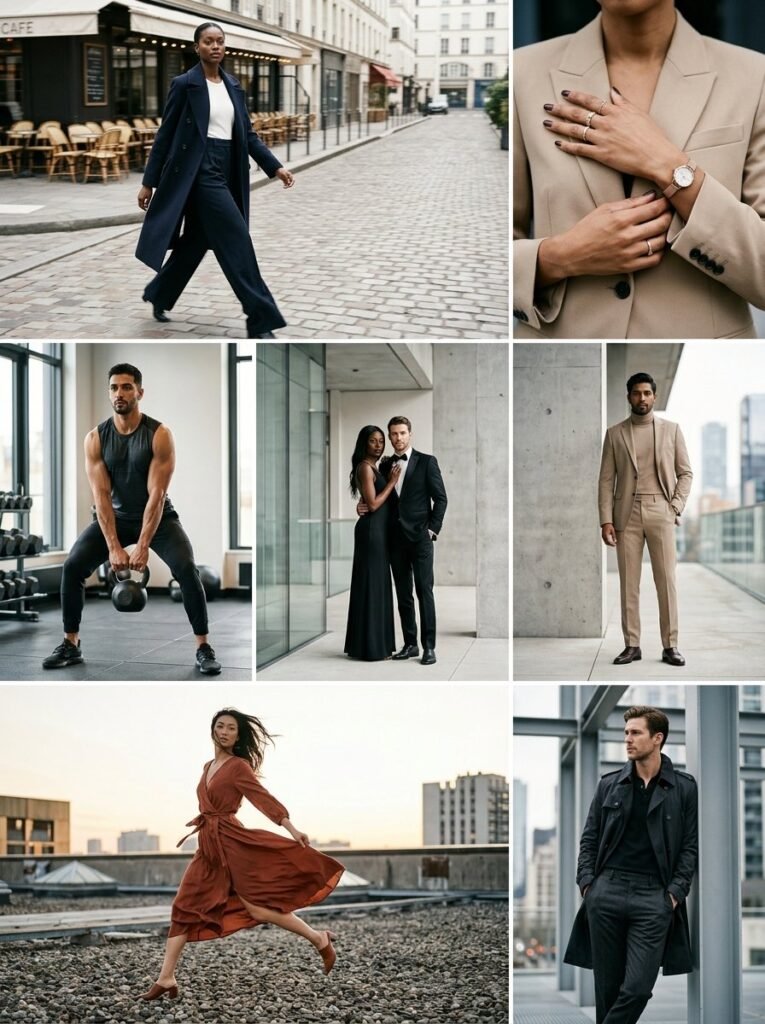
The best model poses do not look like instructions once the camera captures them. They look natural, confident, and connected to the clothes, location, and mood. Start with simple standing positions. Then explore hands, face angles, movement, duo compositions, car settings, fitness scenes, runway energy, and drawing references. Do not chase complexity just because a pose looks unusual online. Find the positions that make the person feel comfortable and make the image tell a clear story. With practice, a few basic movements can turn into dozens of strong photographs.


Leave a Reply