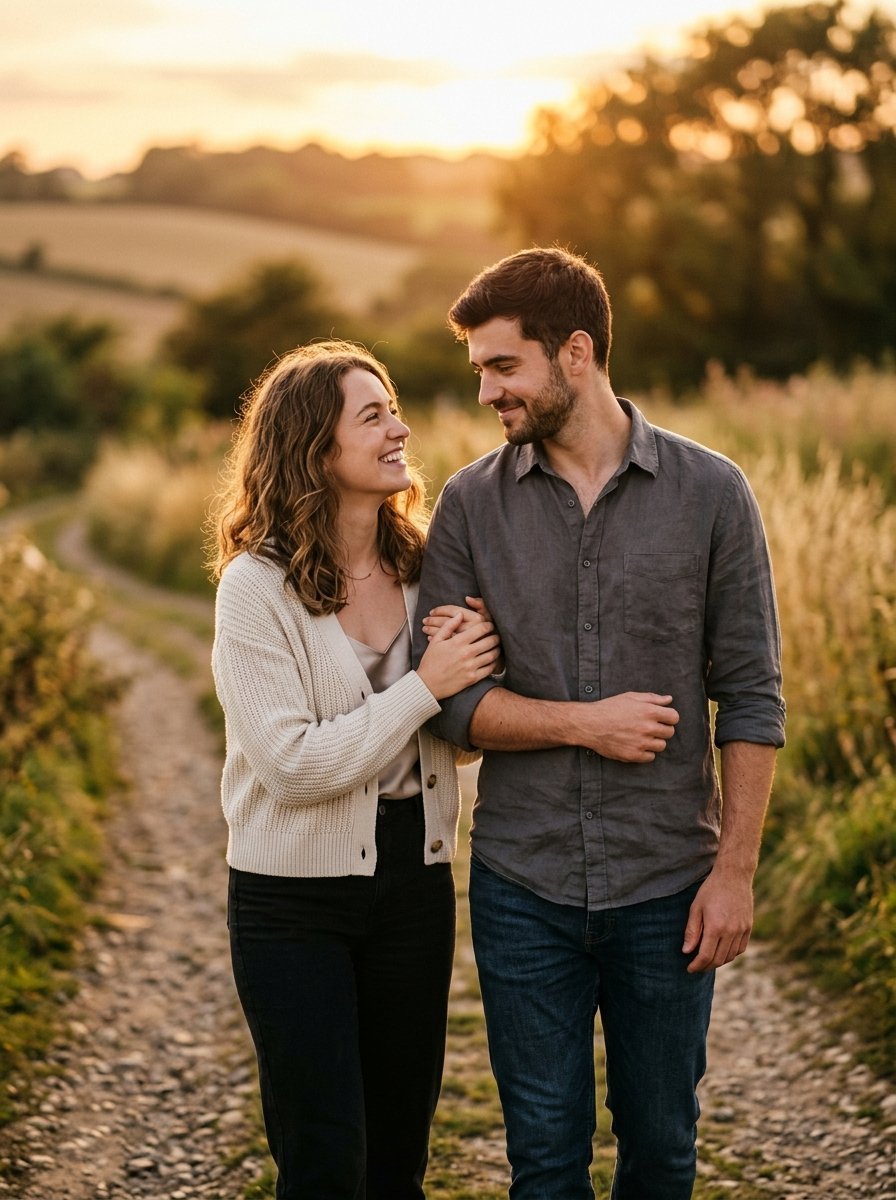
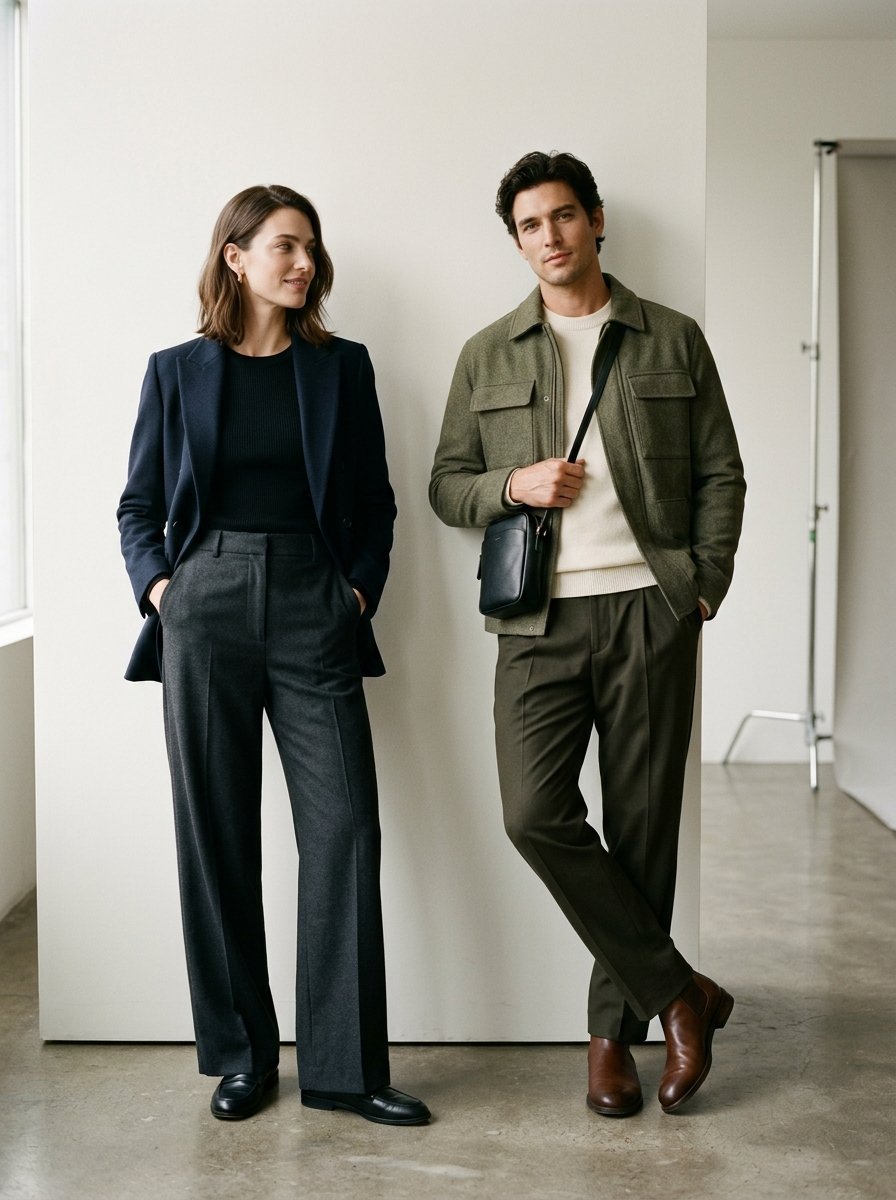
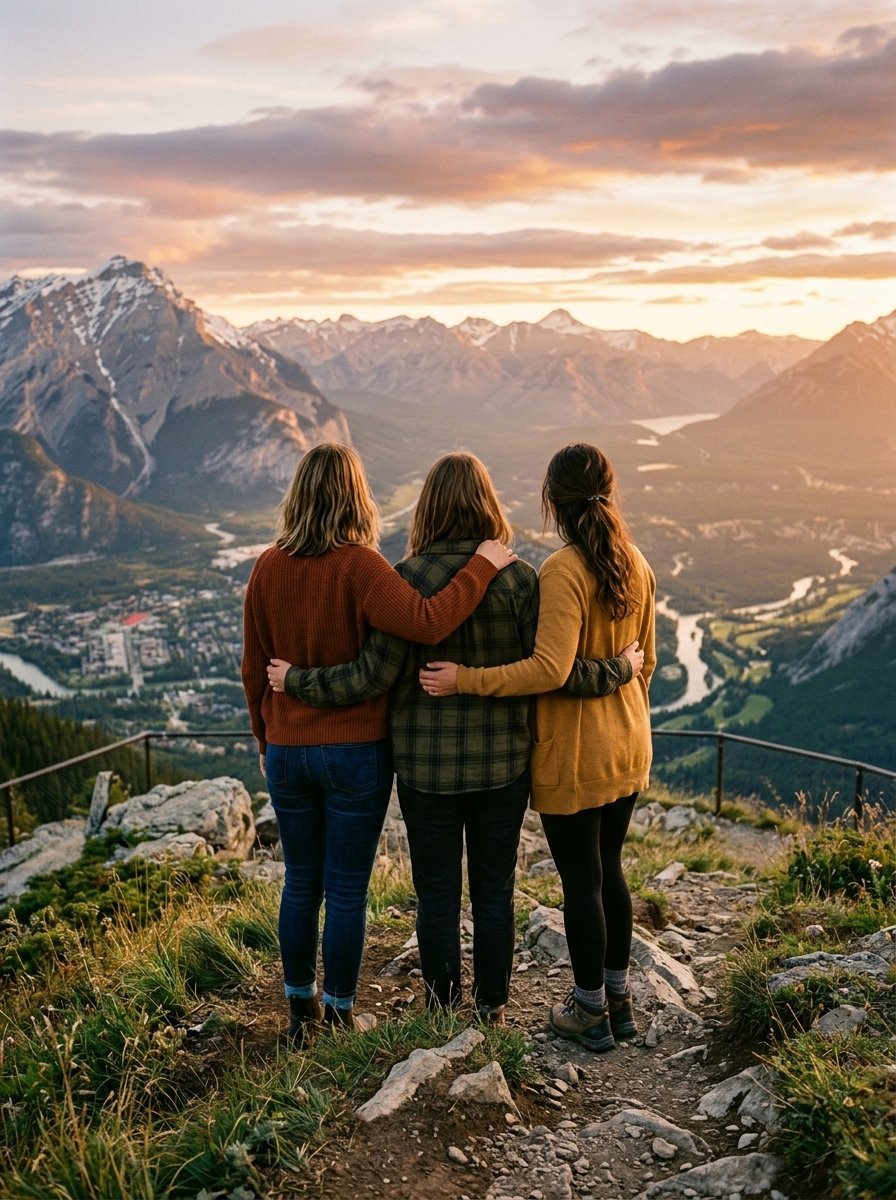
Finding the right couple poses can turn a simple photo into a beautiful memory. From romantic cuddling and beach moments to wedding portraits, prom photos, and creative drawing references, the right pose helps couples look natural and connected. Whether you are planning a photo shoot or searching for drawing inspiration, these couple poses offer easy ideas for every occasion, style, and personality.

1. Start With Natural Couple Poses
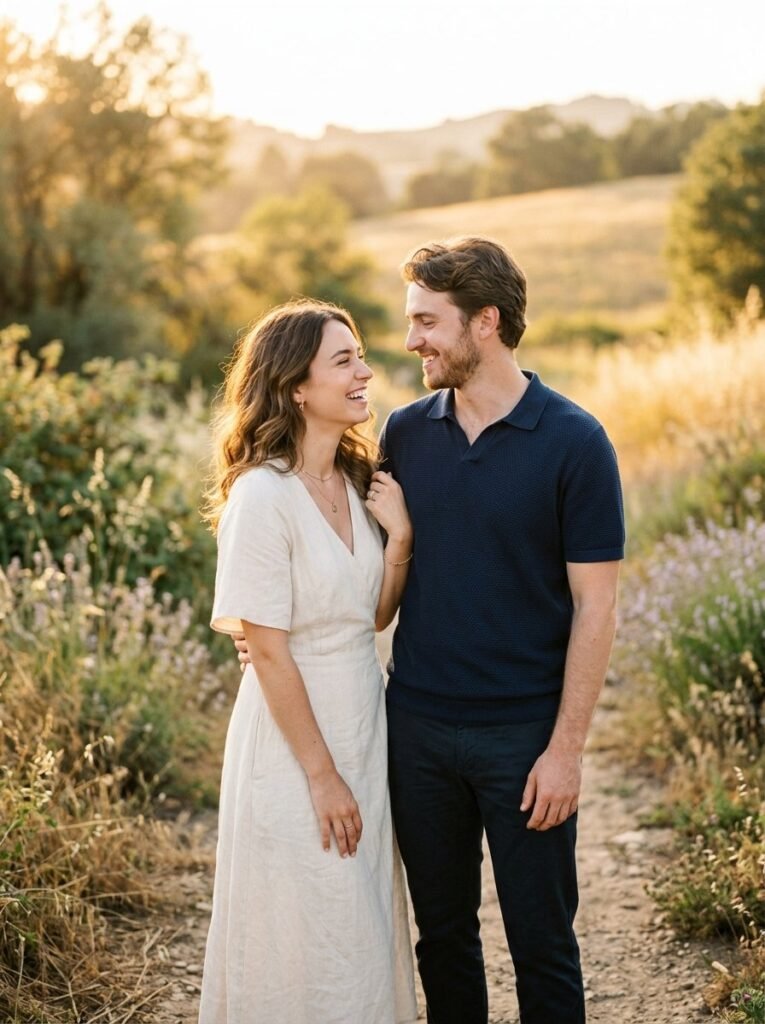
The best couple photos rarely begin with complicated instructions. Start with something simple. Ask the couple to stand close, walk slowly, or look at each other. Let their hands move naturally instead of forcing every detail. These couple poses work because they feel real. A small smile, a relaxed shoulder, or a gentle touch can create more emotion than a stiff pose. If the couple feels nervous, give them something to do. Ask them to walk together, talk quietly, or fix each other’s hair. These small actions create natural movement. For a reference drawing, natural standing poses also provide an easy starting point. You can study the basic body shapes first and add clothing and facial details later. The goal is not perfection. It is connection.
2. Romantic Cuddling Poses
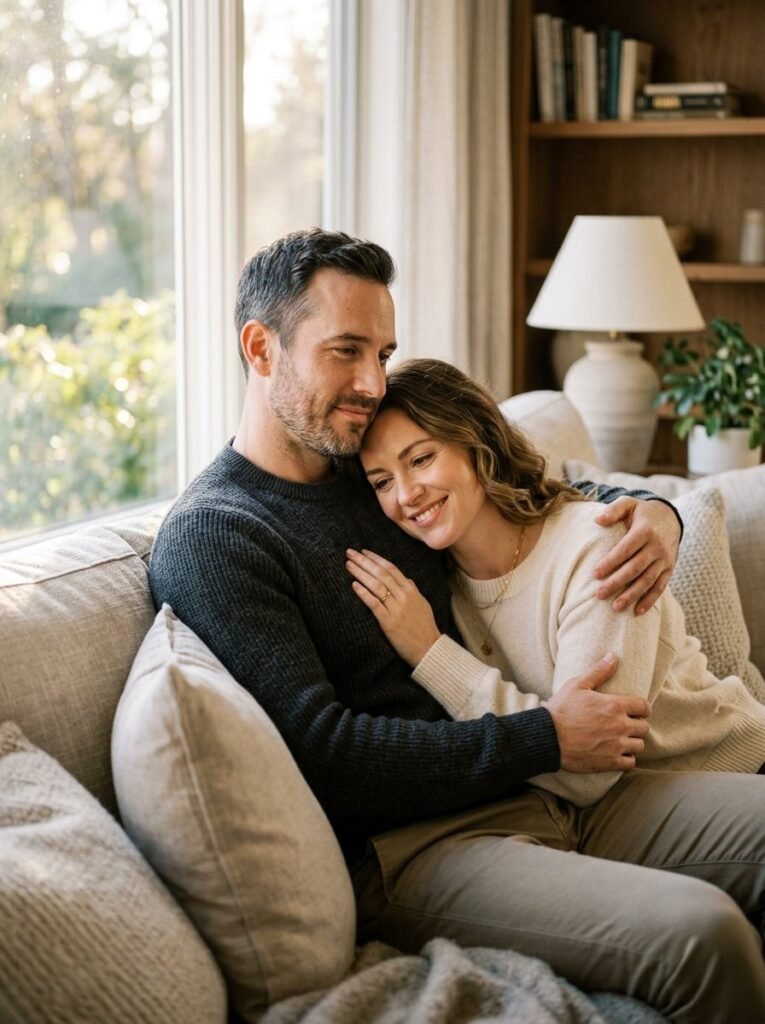
Cuddling creates a soft and comfortable mood. One partner can stand behind the other with their arms gently around the waist. Another option is sitting close together while one person rests their head on the other’s shoulder. For a drawing reference cuddling, focus on the larger shapes first. Notice how the arms overlap and how the bodies create one connected silhouette. Keep the hands natural. Avoid placing them in awkward positions. A cozy sofa, bedroom, picnic blanket, or quiet outdoor setting can make this style feel even more personal. These poses work especially well when the couple wants a photo that feels private but not secretive.
3. Beach Couple Poses
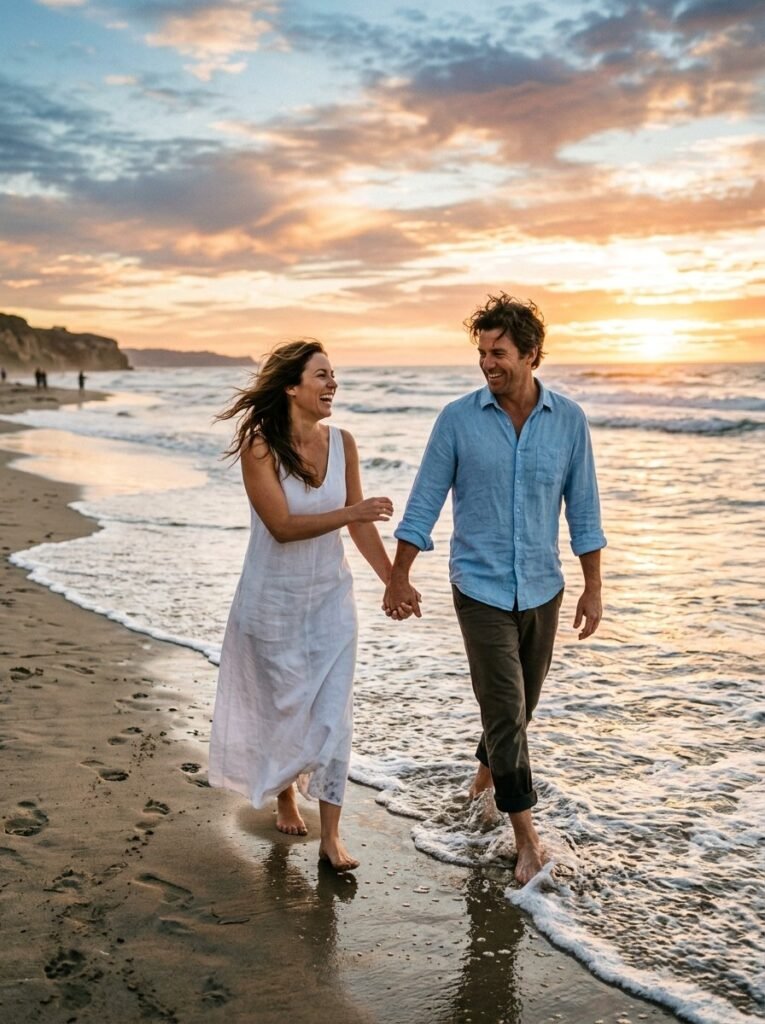
The beach gives couples something every photographer needs: movement. Instead of standing still, let the couple walk along the water. Ask them to hold hands, look toward the ocean, or turn toward each other while walking. These beach poses feel natural because the environment does some of the work. Wind can add movement to hair and clothing. Waves create a changing background. Sunset light adds warmth without requiring complicated editing. For a simple photo, keep the couple closer to the camera. For a dramatic scene, step back and include more of the ocean and sky.
4. Couple Poses for Prom and Hoco

Formal events need a little more structure. For prom or Hoco, start with a classic standing pose. One person can place an arm gently around the other while both face the camera. Then try a side-facing pose. Have the couple look at each other instead of the camera. You can also create a walking shot as they enter the event. This adds movement while keeping the outfits visible. Pay attention to height differences. Instead of forcing both people into the same position, allow the taller person to angle slightly and let the shorter person step closer. Small adjustments can make the final image feel much more balanced.
5. Photobooth Couple Poses

Photobooths are made for playful photos. Do not use the same pose in every frame. Create a small story. Start with a normal smile. Then try a funny expression. Add a playful shoulder pose. Finish with a close-up moment. A photobooth session becomes more interesting when each picture shows a different mood. If you are creating ideas drawing for a pose reference, draw the four poses as a sequence. This can help you understand how body positions change from one frame to another. Keep the movements simple. The best photos often happen between poses.
6. Indian Wedding Couple Poses
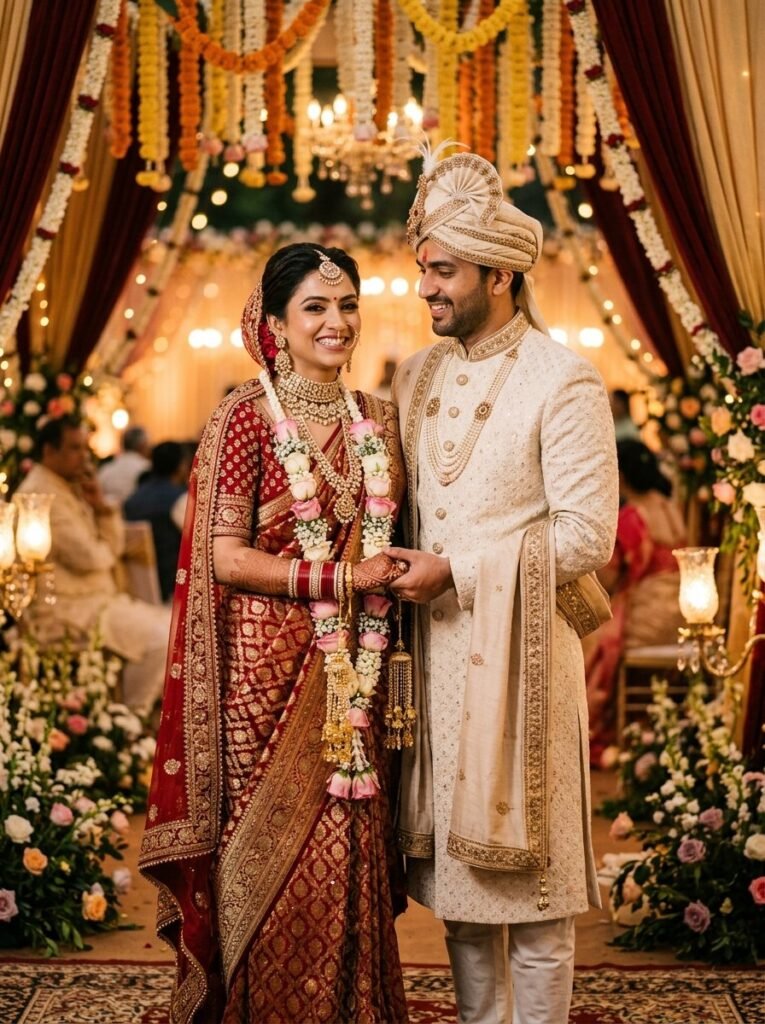
Indian weddings offer endless visual details. Traditional clothing, jewelry, flowers, fabric, and decorated venues can all become part of the composition. A couple can stand side by side for a classic portrait. They can also walk together, look at each other, or sit during a quiet moment between ceremonies. For a saree look, let the fabric fall naturally instead of pulling it into an unnatural shape. During Haldi, brighter colors and playful expressions can create a completely different mood from a formal wedding portrait. At a temple or traditional venue, keep the background respectful and let the architecture add context.
7. Wedding Reception Poses
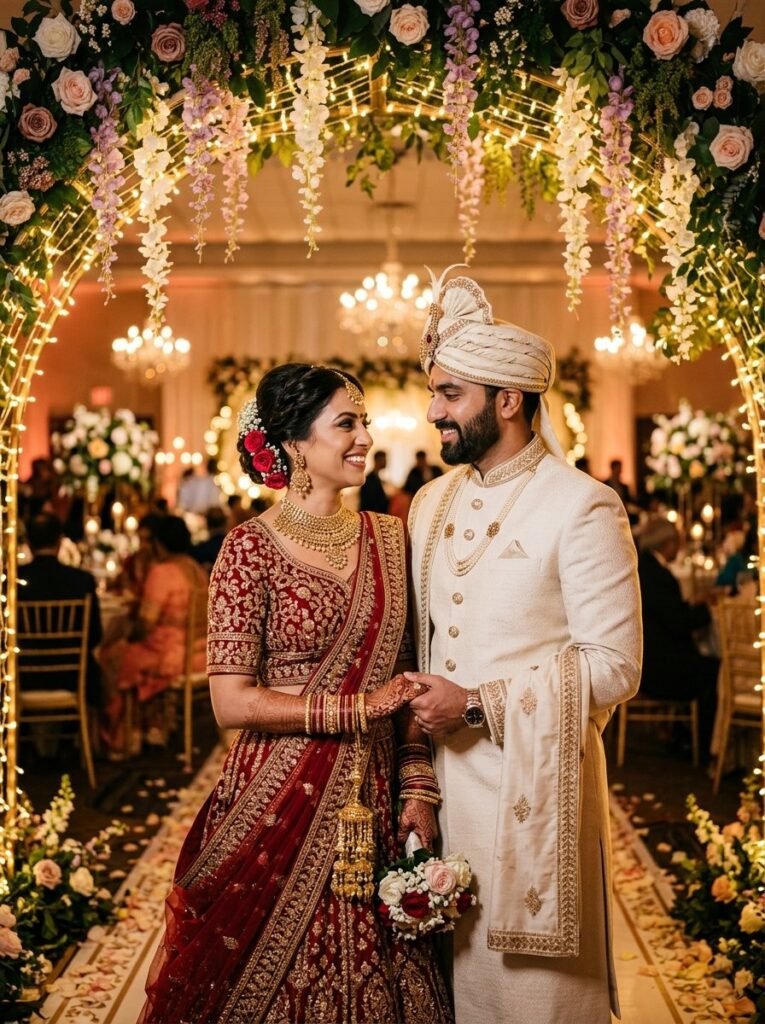
The reception gives you a chance to create more polished portraits. Start with a simple standing pose. Then try a close side-by-side portrait where both people look toward the camera. For a more emotional image, ask them to look at each other. You can also photograph them walking through the reception space. This works especially well when the venue has beautiful lights or floral decorations. Traditional wedding clothing naturally adds visual interest, so avoid overcrowding the frame with too many props.
8. Haldi and Navratri-Inspired Couple Photos
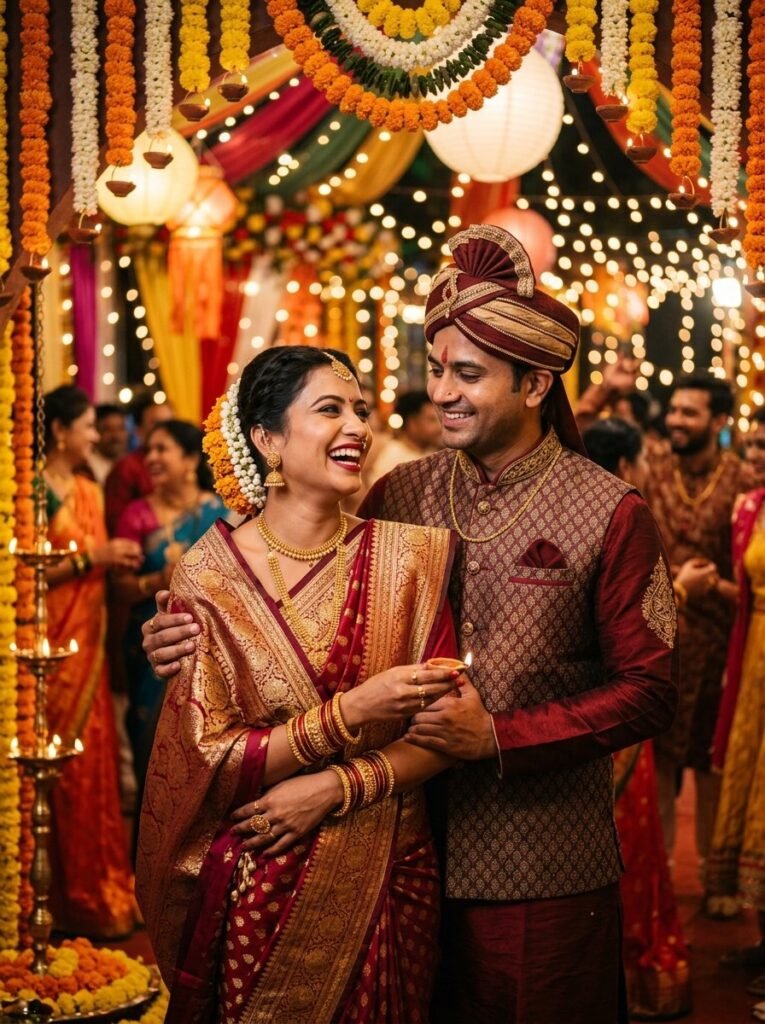
Festive celebrations give couples more freedom to be expressive. For Navratri, coordinated traditional outfits can create a strong visual connection. Try standing poses, walking poses, or a gentle turn toward each other. During Haldi, playful poses work better than formal portraits. Let the couple laugh and interact naturally. If the couple wears matching colors, keep the background slightly simpler so the clothing remains the main focus. These cultural settings also provide excellent art reference because clothing, gestures, and movement create interesting shapes.
9. Private but Not a Secret
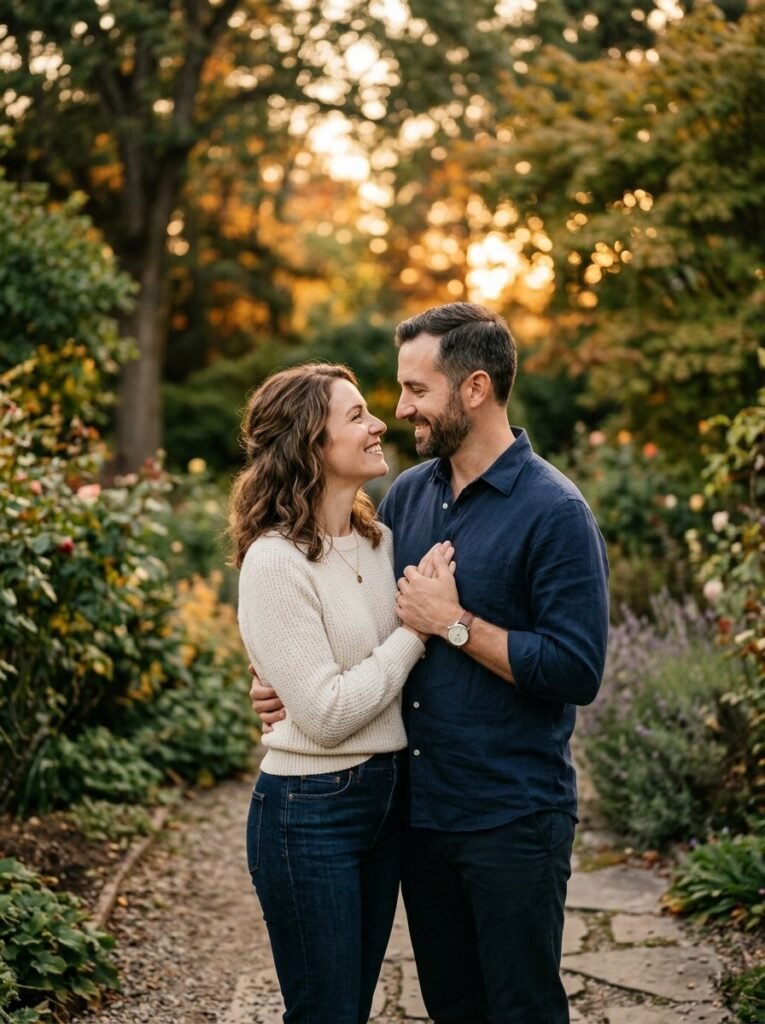
Not every couple wants a dramatic public display. Some prefer quiet images that capture a personal moment. Try a pose where the couple stands close with their faces turned slightly toward each other. Another option is sitting together on a bench while talking. The idea is private but not a secret. The image can feel personal without becoming overly staged. This style also works well for couples who feel uncomfortable posing directly for the camera. Give them a few minutes to relax. Often, the most beautiful frame appears when they stop thinking about the camera.
10. Creative Couple Drawing References
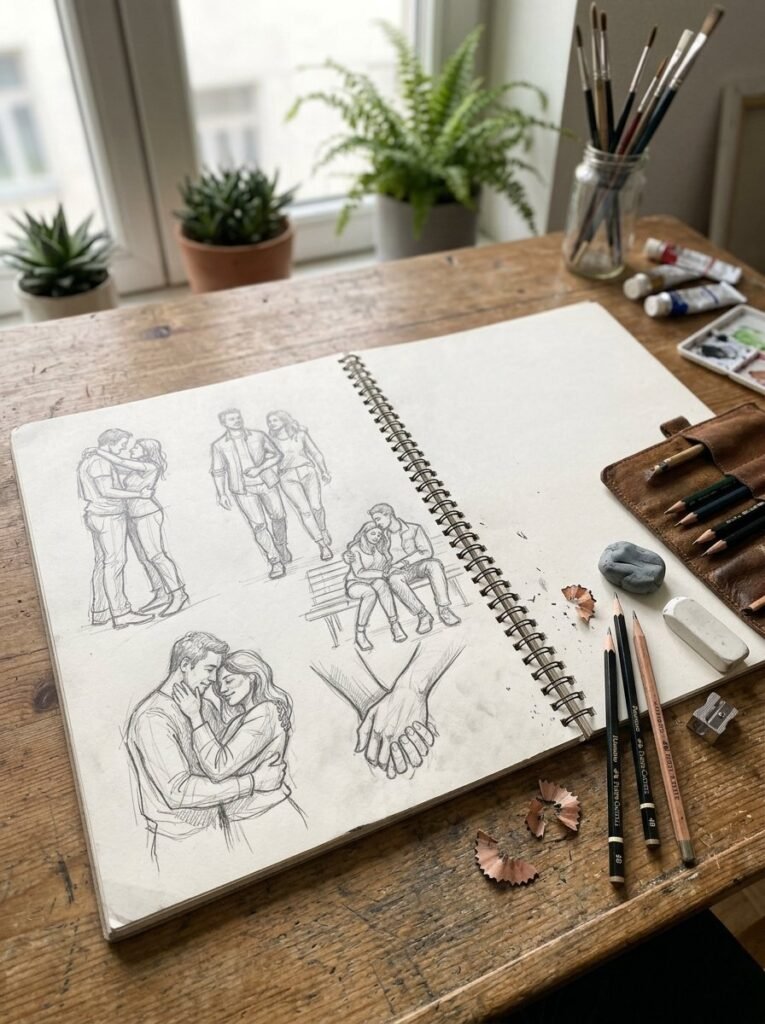
Photographs are not only useful for photographers. They can also help artists learn body movement. When using a reference drawing, look at the overall gesture before focusing on details. Start with the head positions. Then draw the spine line and major body shapes. Add arms and legs afterward. For an OC or original character, you can use a real pose as a starting point and change the clothing, hairstyle, expressions, and setting. A YCH artist can also study different couple arrangements to create flexible pose references for commissions. Always use references responsibly. A reference can teach structure and movement without requiring you to copy another artist’s finished artwork.
11. Gym and Casual Couple Poses
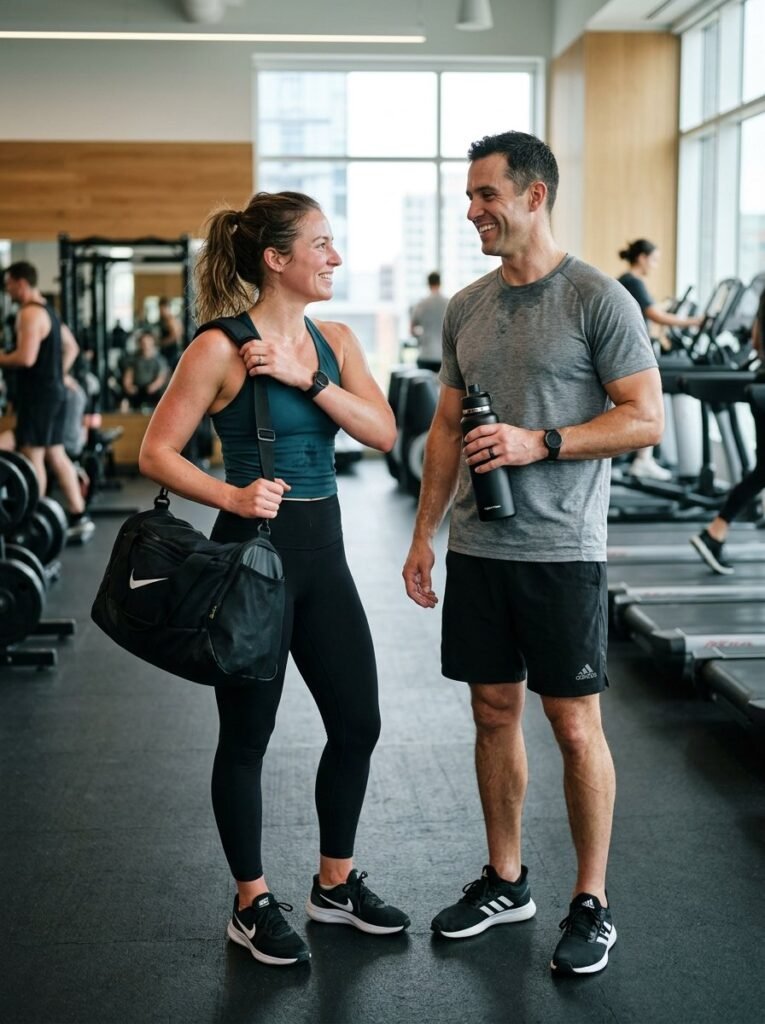
A gym setting can create relaxed lifestyle photos. Instead of making the couple pose like a formal portrait, show them doing something together. They can walk toward the camera, stretch after a workout, hold water bottles, or talk beside the equipment. These casual gym poses feel more authentic because the activity gives their hands something to do. Keep the composition clean. Avoid distracting equipment when the goal is to focus on the couple.
12. Baby Shower Couple Poses
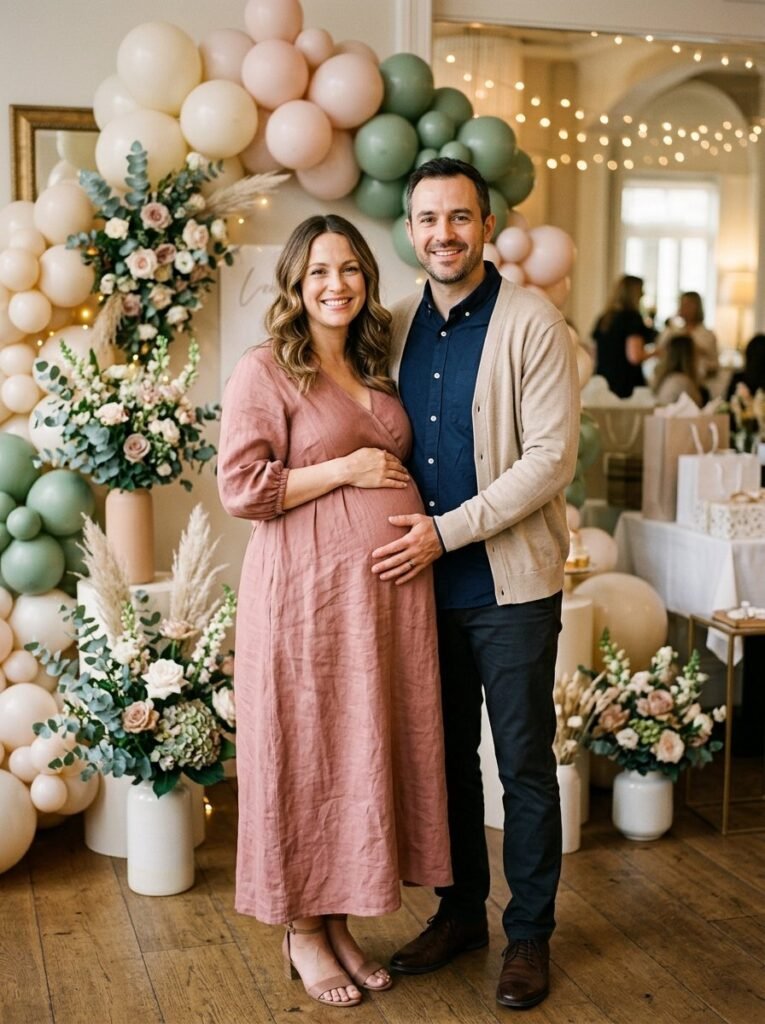
A baby shower offers a chance to capture a different chapter in a couple’s story. Keep the poses gentle and comfortable. The couple can stand side by side with hands together. Another option is having one partner place a hand gently near the other person’s shoulder or both hands together in a relaxed pose. Let the celebration details appear in the background without overwhelming the subjects. The strongest image should feel like a memory, not a performance.
13. Couple Poses Based on Height

Different heights can actually create interesting compositions. If one person is much taller, avoid forcing both bodies into the same straight line. Let the taller partner angle slightly toward the shorter partner. Sitting poses can also create a balanced frame. For photographers and artists, height differences are useful to study because they change the visual shape of the entire pose. Try different distances between the couple. A closer pose creates a stronger connection, while a little space creates a more editorial look.
14. Traditional Couple Poses
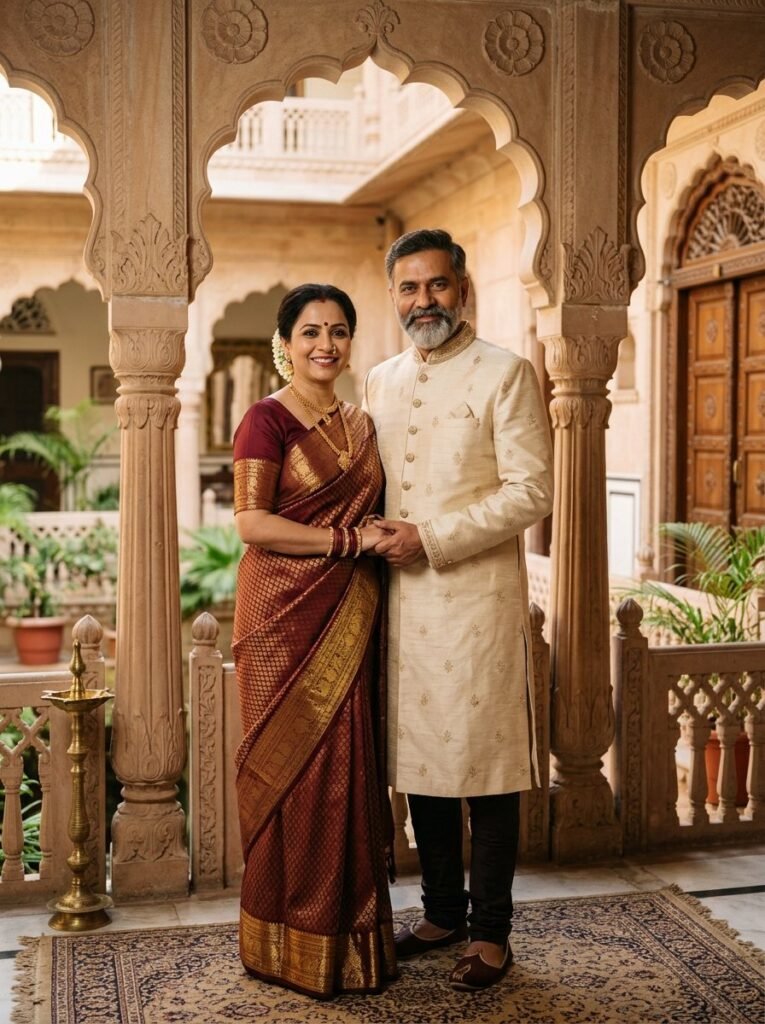
Traditional clothing changes how a pose looks. Long garments, dupattas, sarees, jackets, and embroidered outfits create movement and texture. Start with a simple standing portrait. Then try walking or seated poses. For an Indian wedding or cultural event, allow the clothing and location to guide the composition rather than adding too many props. A traditional pose does not have to feel stiff. Natural eye contact, relaxed hands, and a small smile can keep the image modern.
15. Final Couple Poses to Try
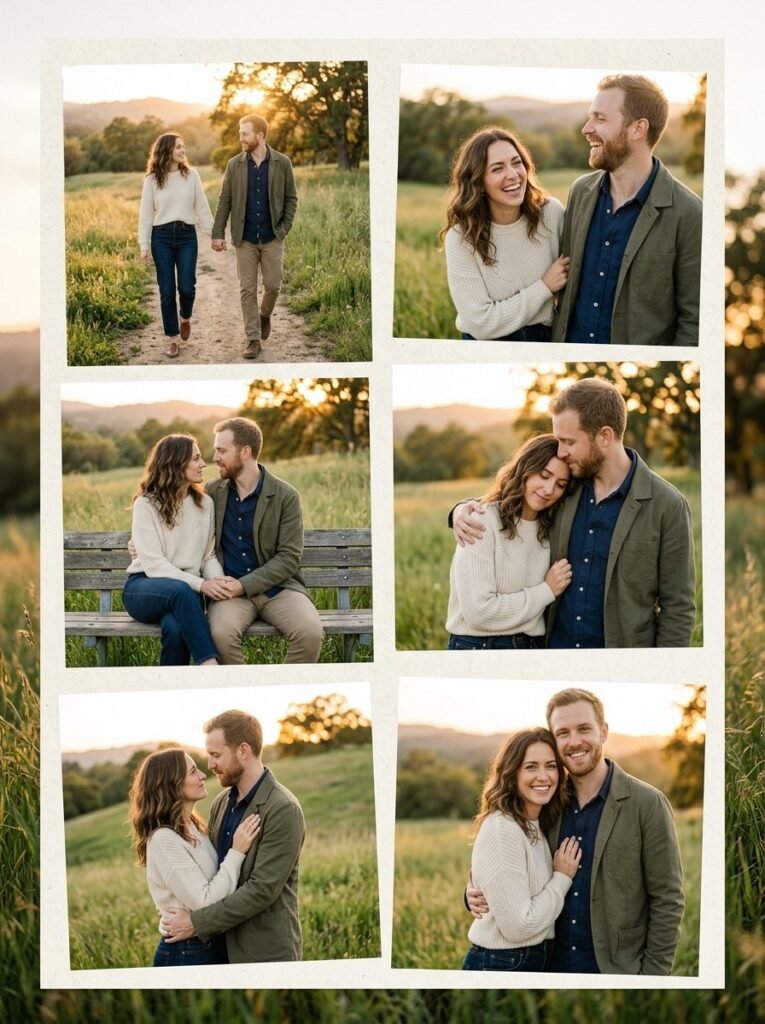
The best couple poses are not always the most complicated. Start with natural movement. Add a little variety. Change the distance between the couple. Try looking at the camera, then looking at each other. If you are creating photos, focus on genuine interaction. If you are creating drawing references, focus on body shape, gesture, balance, and overlapping forms. For weddings, beach sessions, prom, Hoco, family celebrations, or everyday portraits, the same basic rule works: give the couple something natural to do. Hold hands. Walk. Laugh. Sit together. Look at each other. The camera can capture the rest.
Final Thoughts
Good couple photography does not require complicated instructions. A comfortable couple, thoughtful composition, and a few simple movements can create a complete collection of images. Start with easy poses and build from there. Use the location, clothing, height, and occasion to guide your choices. Whether you need wedding inspiration, a photobooth sequence, an Indian celebration portrait, or an art reference for drawing, keep the focus on connection. When the couple feels comfortable, the image usually feels natural too.


3 Pingbacks